Chilean Party Leader Urges President Kast on General Amnesty for Uniformed Personnel
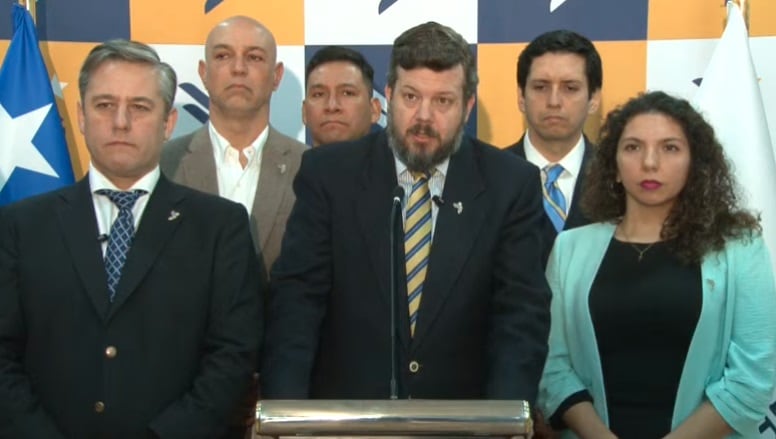
The leader of the National Party (PNL), in Chile, has intensified pressure on the government to support a general amnesty initiative for uniformed personnel. He specifically called out President Gabriel Boric, stating that "so far he has done nothing" regarding the project. The PNL leader emphasized the urgency of the matter, suggesting that the executive branch should become involved in the commitment made. He argued that making the initiative urgent is a way for the Executive to participate in a commitment they have already entered into. This call to action highlights a political push for clemency for military and police personnel, with the PNL leader seeking concrete action from the current administration.
The PNL leader's call for a general amnesty for uniformed personnel, coupled with criticism of President Boric's perceived inaction, highlights a significant political tension. This initiative raises questions about accountability, justice, and the potential for political leverage in sensitive historical contexts. The framing of urgency suggests a strategic attempt to compel government engagement, possibly by invoking past commitments or societal divisions. Future considerations may involve how such amnesty proposals interact with evolving legal frameworks, public opinion, and the long-term implications for institutional trust and reconciliation within Chile. The debate could reflect broader trends in how societies grapple with past conflicts and the role of state actors.
AI-generated to prompt reflection — not editorial opinion, not advice, not a statement of fact. How this works.