Chilean Politics: A Call for Constructive Dialogue Over Divisive Rhetoric
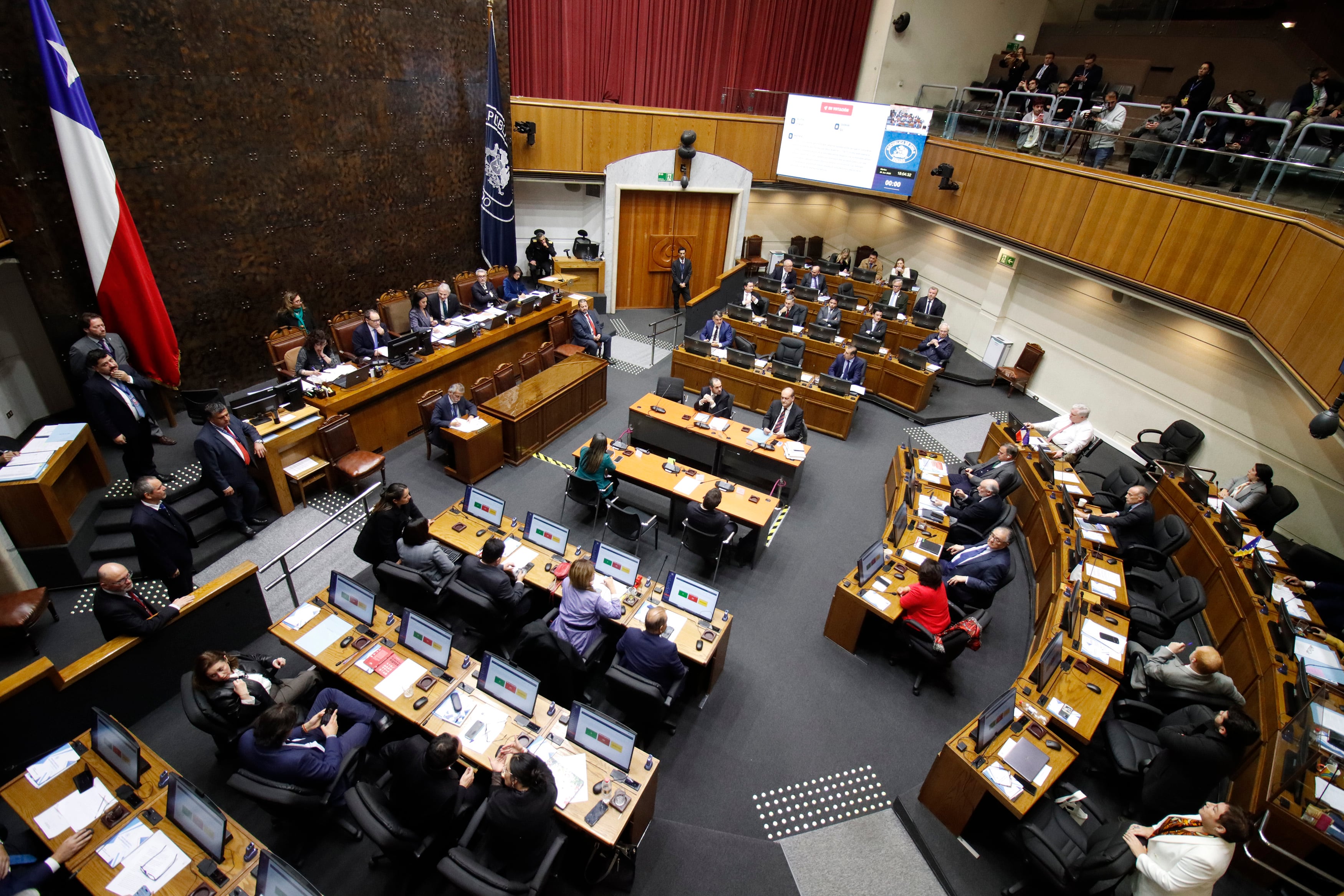
The author, an attorney, contrasts two approaches to parliamentary work in Chile, advocating for a more collaborative and respectful style. He posits that some lawmakers view their positions as an honor, requiring them to serve all citizens with dignity and work towards broad agreements for the nation's benefit. These individuals understand the importance of institutional integrity and recognize that democracy involves compromise and serving the collective good, not just partisan interests. They take pride in building consensus, seeing it as a sign of democratic strength.
Conversely, the author criticizes another group of parliamentarians who, he argues, prioritize loudness and personal conviction over respect for institutional traditions. He describes them as arrogant, infantile, and prone to using vulgarity and bullying as political tools. These lawmakers, driven by vanity and a desire for public attention, allegedly disregard the impact of their actions on the public, their parties, and the legislative body itself, seeking validation through social media engagement.
The piece highlights two 'Paulinas' who have reportedly made significant efforts to forge broad agreements by engaging in discreet, intelligent, and modest dialogue, acknowledging that not all demands can be met. In contrast, a 'Daniella' is presented as an example of the detrimental approach, characterized by vulgarity, disrespect, disloyalty, and imprudence, which ultimately weakens the opposition and hinders constructive political action. The author concludes by urging citizens to demand and elect more individuals like 'Paulina' and fewer like 'Daniella' to address Chile's pressing challenges in education, security, and social welfare.
This commentary critiques the prevailing political discourse in Chile, differentiating between constructive collaboration and performative antagonism. It frames the choice for voters as one between pragmatic consensus-building and attention-seeking theatrics. The analysis implicitly questions whether the current electoral system incentivizes the latter, potentially leading to legislative gridlock and a decline in public trust. As artificial intelligence continues to reshape information ecosystems, the ability of citizens to discern substantive policy debate from superficial engagement becomes paramount. Future governance models may need to account for these evolving communication dynamics, fostering environments where reasoned deliberation can effectively address complex societal issues like education, security, and social welfare, rather than succumbing to echo chambers and divisive rhetoric.
AI-generated to prompt reflection — not editorial opinion, not advice, not a statement of fact. How this works.