Chilean Politics Loses Empathy: A Breakdown in Dialogue
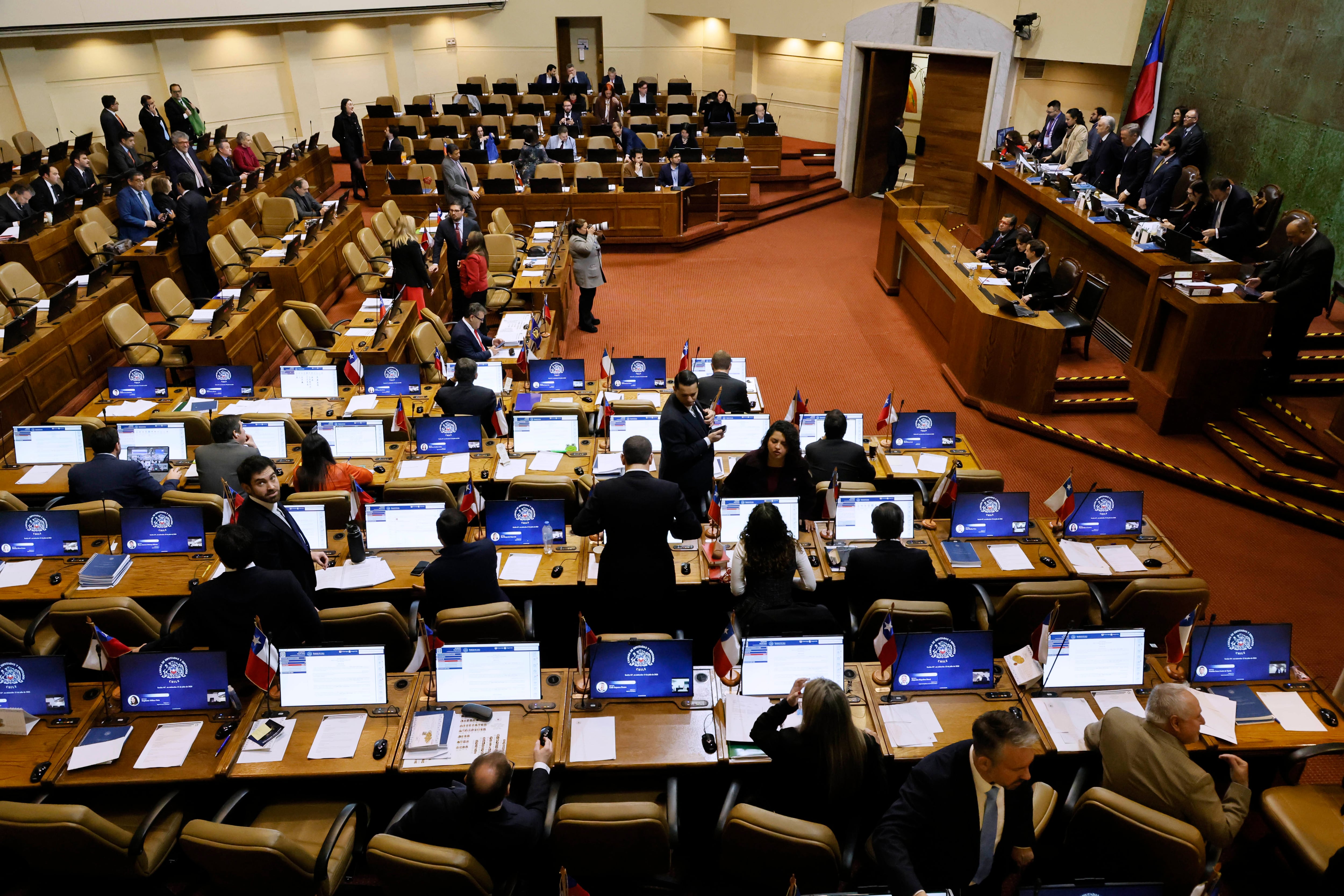
Economist César Barros observes a significant decline in political empathy and dialogue within Chile, particularly concerning the new government. He notes that unlike previous eras, including the Bachelet I administration and even the 1960s, there was a greater capacity for agreement between business sectors and political parties across the center-left and center-right. Barros recalls historical instances of dialogue, such as between Jaime Guzmán and Miguel Ángel Solar, and Miguel Kast and Pedro Pablo Diaz, and later, between figures like Jaime Guzmán and Gabriel Valdés, and Sebastián Piñera and Alejandro Foxley. He also highlights Pablo Longueira's intervention to ensure the DC party could participate in an election. Barros argues that the transition from the military government was achieved through dialogue and negotiation, not just popular rebellion, emphasizing trust built through shared educational experiences. He laments that current politicians, particularly from the FA/PC bloc and newer generations, lack this civic friendship, viewing dialogue as weakness and adversaries as enemies. This is exemplified by the dismissive rhetoric used by groups like Republicans and Libertarians towards Chile Vamos, and now by certain PS factions towards more moderate colleagues. Barros concludes that this loss of empathy, the ability to understand and share others' emotions, is detrimental to conflict resolution. He believes that Chile's dominant middle class, which desires to be heard, is alienated by these political disputes and that neither extreme will be able to connect with them.
The erosion of cross-party dialogue and empathy in Chilean politics, as described, reflects a broader global trend where ideological polarization intensifies, often driven by social media dynamics and the pursuit of activist bases over broad consensus. This breakdown in communication hinders effective governance and policy-making, particularly in addressing the needs of the majority middle class. Future political systems may need to incorporate mechanisms that incentivize collaboration and shared understanding, perhaps through deliberative democratic processes or reforms that reward pragmatic compromise over zero-sum conflict. The challenge lies in fostering trust and mutual respect in an environment increasingly characterized by adversarial framing and the amplification of extreme viewpoints, potentially leading to policy stagnation and public disengagement.
AI-generated to prompt reflection — not editorial opinion, not advice, not a statement of fact. How this works.