Chilean Politics: Post-Mega-Reform Landscape and Party Relations
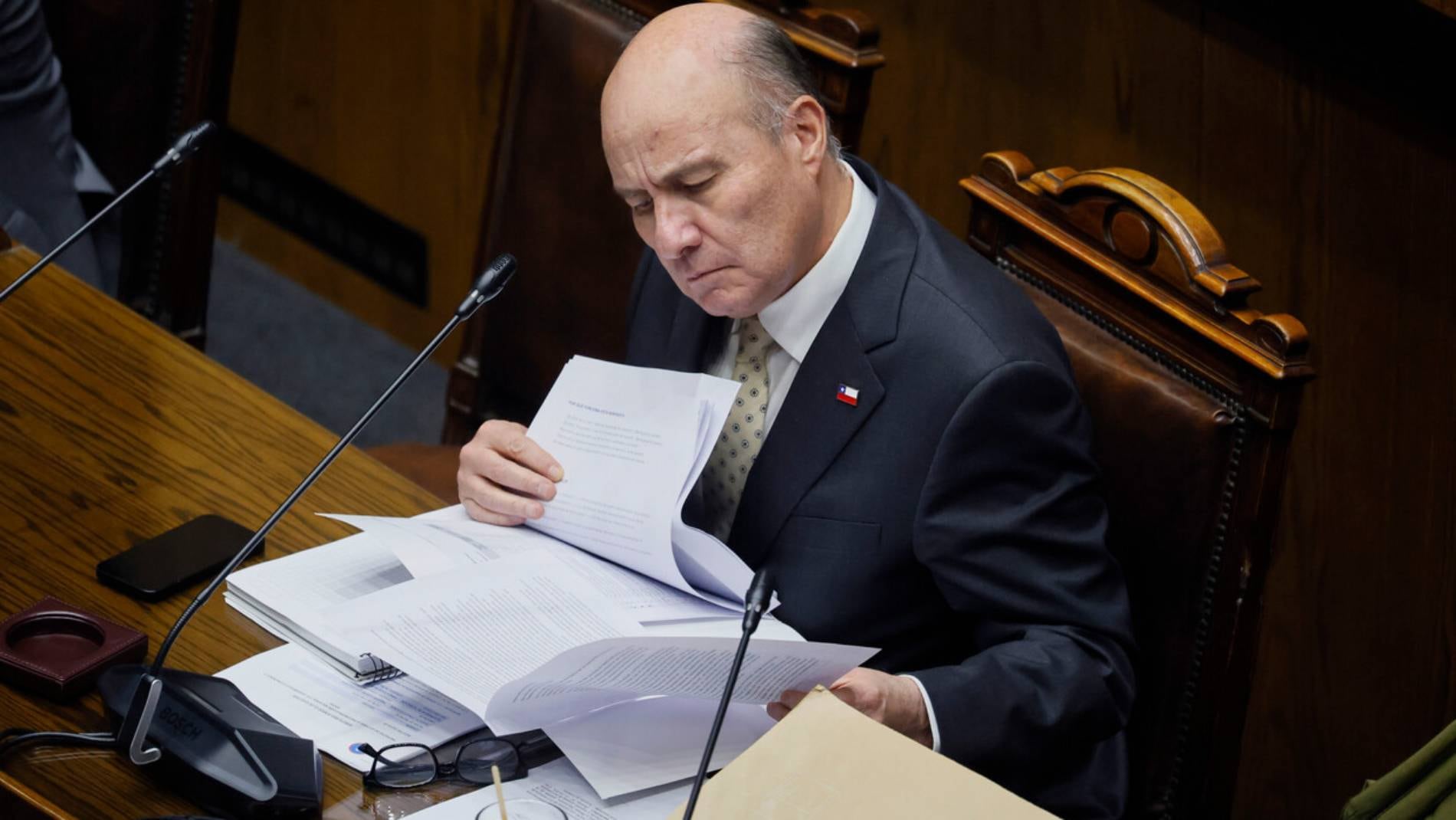
Journalists Mónica Rincón and Paula Catena discussed current political events in a segment of 'Cómo te lo explico.' Katherine Martorell, Secretary General of Renovación Nacional, addressed inter-party relations within the ruling coalition. She warned that criticism from the Republican Party must cease, or her party would adopt a tougher stance. Martorell also urged the government to negotiate with all opposition parties on equal footing, avoiding preferential treatment for the Democratic People's Party (PDG) and Franco Parisi. She cautioned that such favoritism could inadvertently boost Parisi's profile for a presidential run. Meanwhile, Josefina Araos, Deputy Director of the IES, analyzed the potential political landscape for the government once the economic mega-reform legislation is finalized. The discussion highlighted the complex dynamics and strategic considerations facing Chilean political parties and the executive branch.
The political maneuvering described reflects typical coalition governance challenges, particularly concerning legislative priorities and inter-party negotiations. The strategic positioning of Renovación Nacional, as articulated by Katherine Martorell, suggests a focus on maintaining party leverage and influencing the government's outreach to the opposition. The caution regarding preferential treatment for certain opposition figures points to an awareness of how perceived favoritism can shape electoral dynamics. As Chile navigates its legislative agenda, the interplay between governing parties, opposition blocs, and independent political actors will continue to be a critical determinant of policy outcomes and future electoral landscapes. The long-term implications for coalition stability and the government's ability to secure broad consensus will depend on adeptly managing these complex relationships.
AI-generated to prompt reflection — not editorial opinion, not advice, not a statement of fact. How this works.