Chilean PPD Party Proposes 10-Year Guarantee for Social Rights Reforms
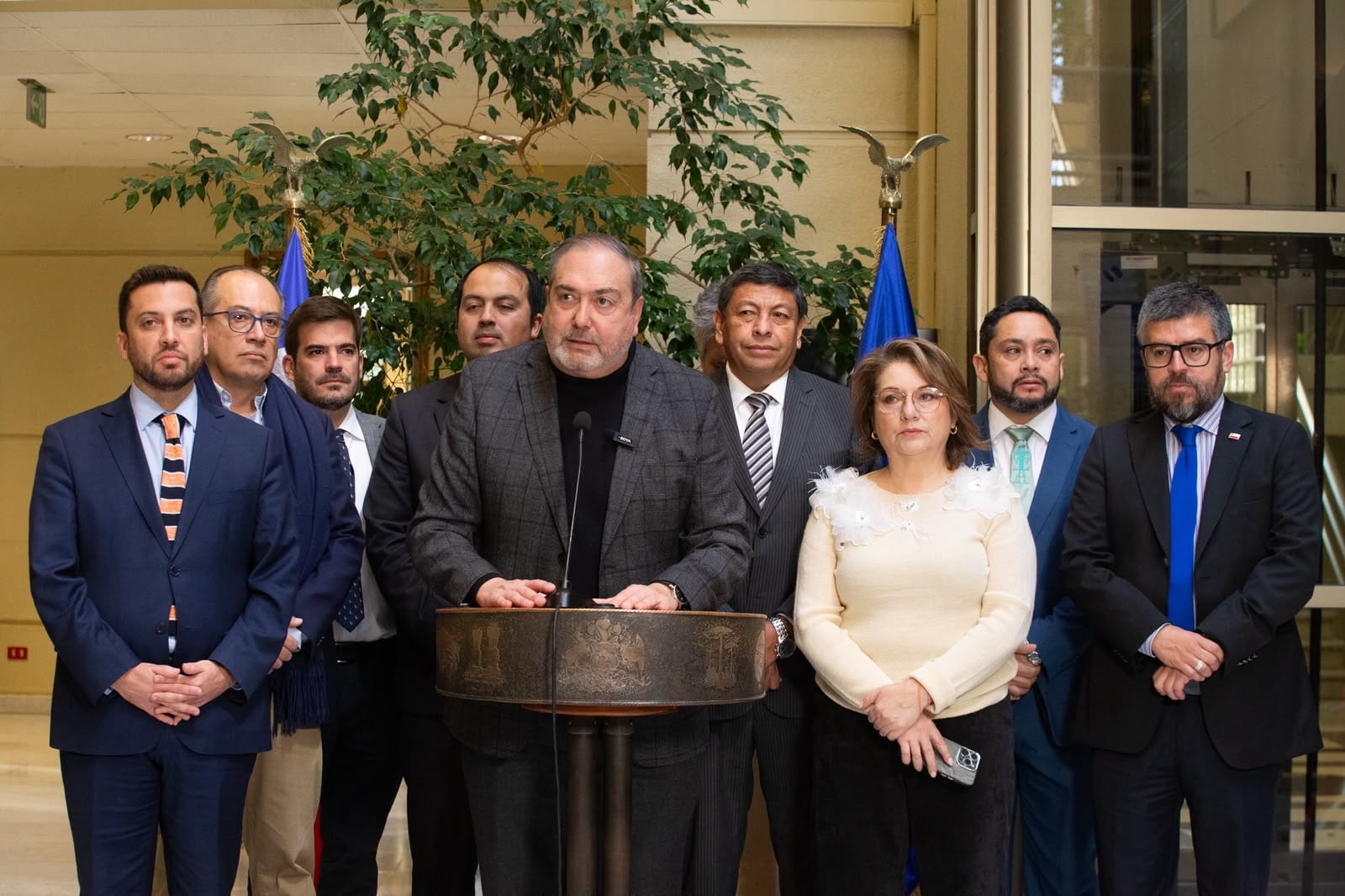
Members of the PPD party in Chile have introduced a reform proposal aimed at securing the "invariability" of social rights for a decade. This initiative seeks to protect key social legislation, specifically mentioning the "Pensión Garantizada Universal" (PGU) and the "Ley de 40 Horas" (40-Hour Work Week Law), from potential future changes. The parliamentarians are drawing a parallel to the government's proposed "tax invariability" within its broader reform package. Their goal is to create a legislative framework that provides long-term stability for these established social benefits and labor rights. This move by the PPD bancada suggests a strategic effort to embed popular social policies into a more robust legal structure, anticipating potential political shifts. The proposal aims to provide certainty for citizens regarding these significant social advancements. By linking their reform to the concept of "invariability," the PPD is signaling a desire for durable policy outcomes. The intention is to prevent these rights from being easily altered or repealed by future administrations. This legislative maneuver underscores the ongoing debate surrounding the permanence and protection of social gains in Chile.
The PPD party's proposal to legislate a 10-year "invariability" for social rights like the PGU and the 40-hour work week reflects a strategic response to Chile's history of policy reversals. By mirroring the government's "tax invariability" concept, the PPD seeks to embed popular social reforms within a more durable legal structure, thereby mitigating the risk of future political administrations dismantling these gains. This approach highlights a tension between the need for policy flexibility in a dynamic society and the public's desire for stable, long-term social protections. The success of such a "legislative lock" will likely depend on its constitutional robustness and the political consensus it can garner, potentially setting a precedent for how future governments approach significant social policy changes in the face of evolving economic and political landscapes.
AI-generated to prompt reflection — not editorial opinion, not advice, not a statement of fact. How this works.