Chilean President Kast's Regional Diplomacy Strategy
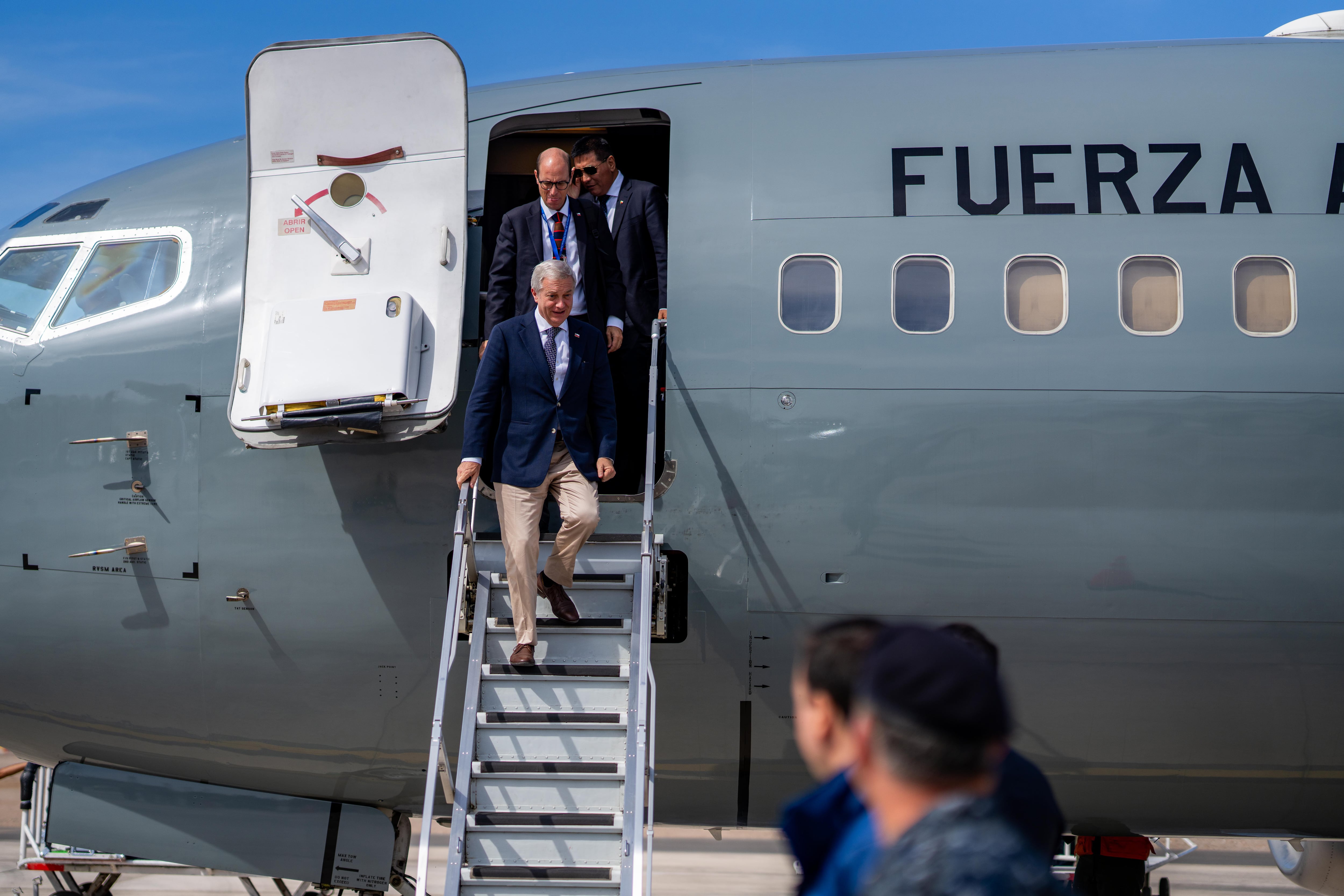
Chilean President Gabriel Boric's administration is focused on a specific design for engaging with regional counterparts. The objective is not to position the president as the sole leader of a new regional right-wing movement, but rather as a figure capable of fostering dialogue with all leaders across the political spectrum. This approach contrasts with that of Argentine President Javier Milei, who has adopted a more confrontational stance with other heads of state. The Chilean government aims for a collaborative and diplomatic engagement, prioritizing open communication and mutual understanding among regional leaders.
The Chilean government's stated foreign policy objective emphasizes dialogue and broad engagement over ideological leadership. This strategy appears designed to foster regional stability and cooperation by avoiding the polarization often associated with strong ideological stances. By positioning President Boric as a facilitator rather than a partisan figurehead, the administration may be seeking to build consensus on shared challenges. This approach could prove more effective in navigating complex regional dynamics in the coming decade, particularly as geopolitical alignments shift and economic interdependence grows. The long-term success of this strategy will likely depend on its ability to translate dialogue into tangible policy outcomes and sustained collaboration.
AI-generated to prompt reflection — not editorial opinion, not advice, not a statement of fact. How this works.