Chilean Prisons: A Growing Hub for Organized Crime Requires Strategic Intelligence Overhaul
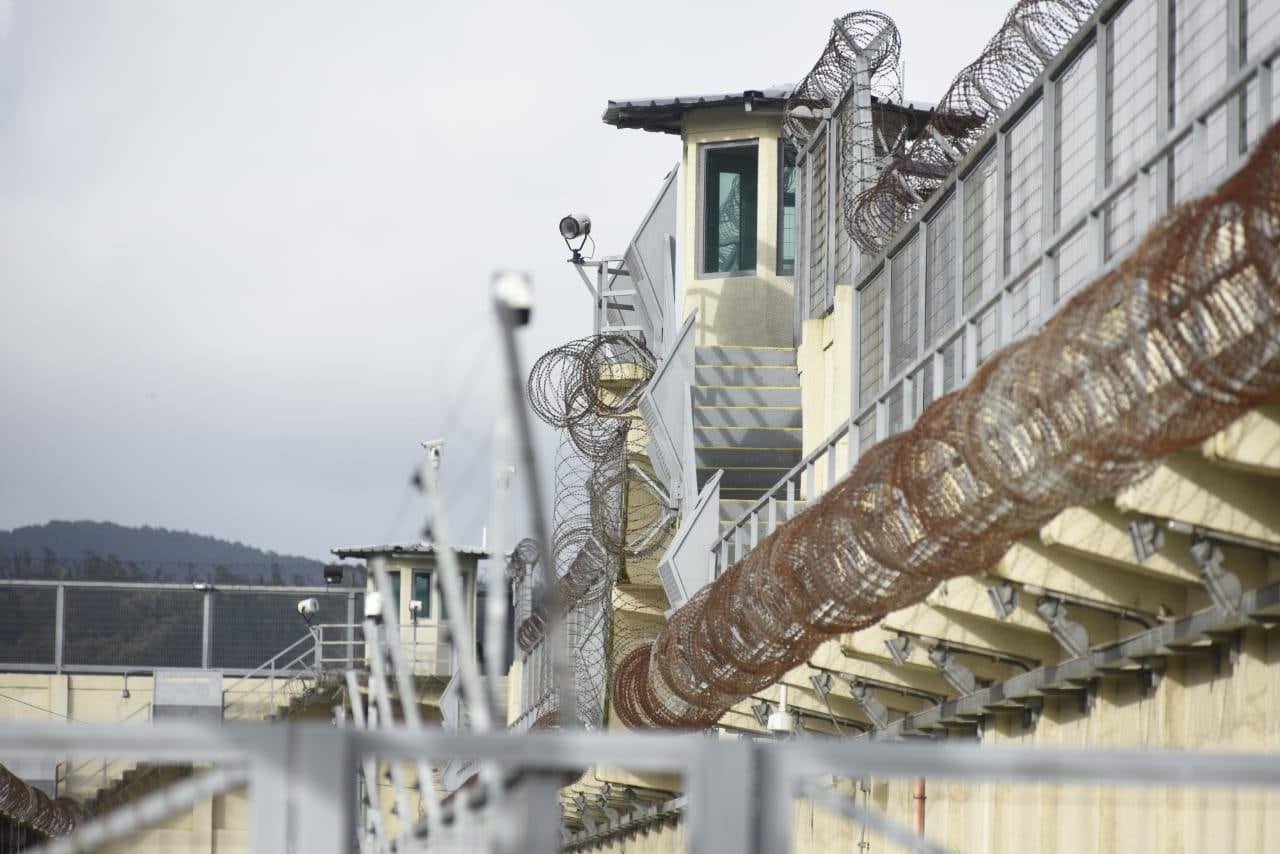
International experience highlights how transnational criminal organizations, such as Tren de Aragua and the First Capital Command, have used prisons as operational centers to expand their influence. Chile is facing a similar challenge, with significant increases in criminal activity within its penitentiary system between 2014 and 2025. Official data from Gendarmería (Chilean Prison Service) reveals a stark rise in violence and illicit activities. During this period, there were 491 homicides recorded within prisons. Drug seizures surged by an alarming 765%, while assaults increased by 55% and threats by 784%. Perhaps most striking, extortions saw an astronomical rise of 5,100%. Beyond these statistics, organized crime has demonstrated a capacity to corrupt prison officials and coordinate external criminal activities from within correctional facilities.
In response to this escalating threat, strengthening prison intelligence and counterintelligence is identified as a strategic imperative. Information gathered within prisons is crucial for the State's Intelligence System, enabling the identification of criminal networks and their external connections, detection of corruption schemes, and anticipation of threats against prison personnel. However, the new Intelligence Law No. 21.821 is criticized for not adequately addressing this reality, classifying Gendarmería solely as a collaborating entity within the State Intelligence System. This classification reportedly limits Gendarmería's capabilities, operational tools, and institutional development. To regain effective control over prisons, a comprehensive penitentiary reform must prioritize prison intelligence and counterintelligence as a strategic focus.
The increasing criminalization within Chilean prisons, as evidenced by the dramatic rise in homicides, drug seizures, and extortions, underscores a critical governance challenge. The current legal framework, particularly the new Intelligence Law, appears to inadequately empower the prison service, Gendarmería, to effectively counter these evolving threats. This situation highlights a systemic tension between intelligence gathering and operational autonomy, potentially hindering the state's ability to disrupt organized crime networks that leverage correctional facilities. Looking ahead, a re-evaluation of intelligence structures within the penal system is necessary to ensure alignment with the realities of contemporary organized crime. This involves considering how to enhance Gendarmería's capabilities without compromising oversight, thereby fostering a more secure environment and preventing prisons from becoming incubators of transnational criminal enterprises.
AI-generated to prompt reflection — not editorial opinion, not advice, not a statement of fact. How this works.