Chilean Reform Passes Amidst Political Uncertainty and Missed Opportunities
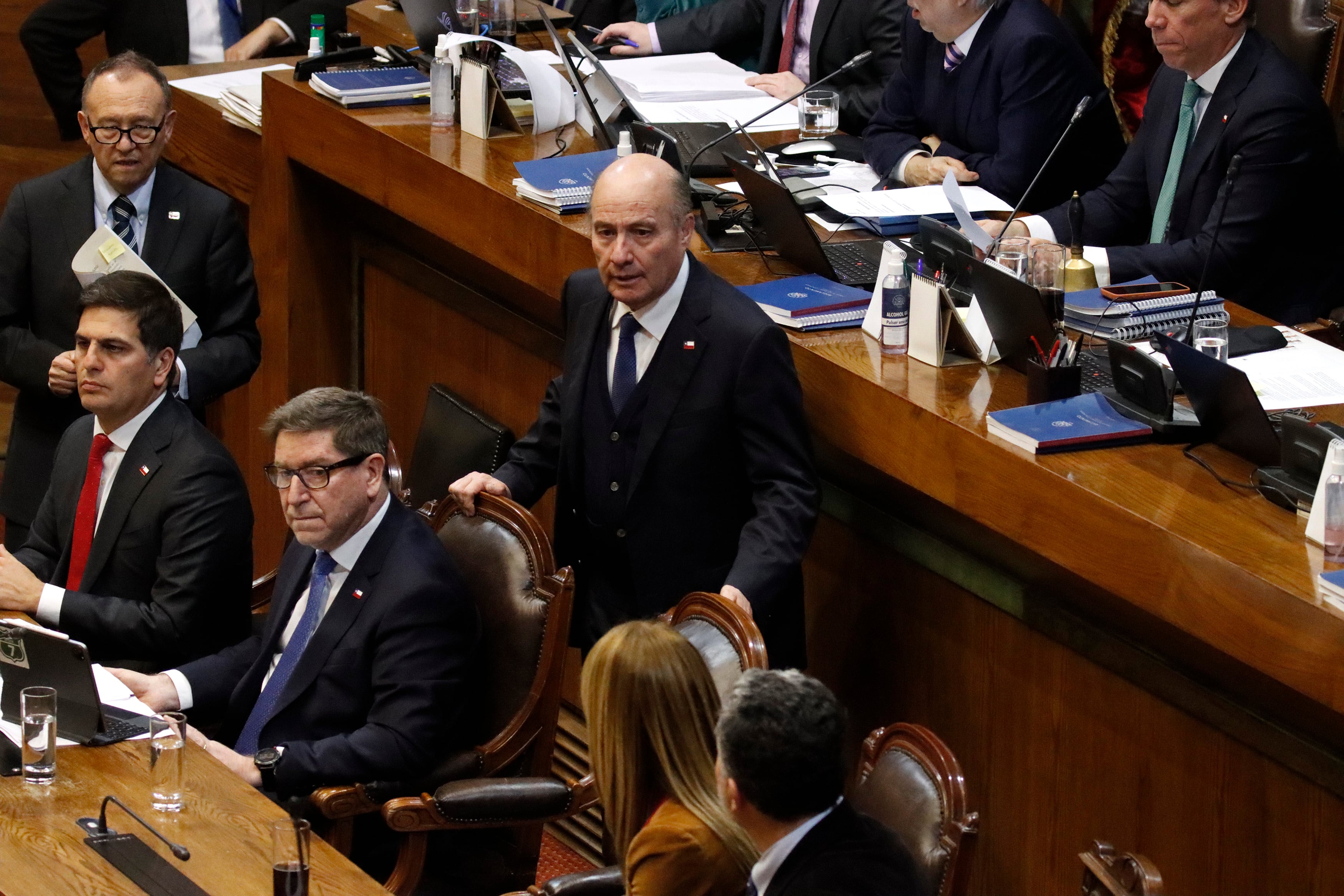
A significant portion of a major reform in Chile has been approved, marking a political victory for the current government. However, the process, even with one stage remaining, highlights a concerning pattern in how both the government and opposition have approached this crucial legislation. The government appears to have prioritized immediate effectiveness over long-term sustainability, opting to push through the reform without building lasting consensus. This approach, which relies on securing votes rather than fostering broad agreement, has missed a valuable chance to unite a broad political spectrum around the shared goal of economic growth and fiscal deficit reduction. Chile remains caught in a cycle where each elected government seeks to dismantle the policies of its predecessor, hindering consistent national progress.
This method of governance sends a negative signal to markets, which value both tax incentives and regulatory stability. A structural reform enacted without widespread political backing creates uncertainty about its future permanence. Coupled with projections of a rising fiscal deficit in the coming years, this situation understandably fuels skepticism among economists regarding the strategy's long-term viability. Meanwhile, the opposition faces its own challenges. Merely obstructing, denouncing, or repeatedly appealing to the Constitutional Court risks diminishing its own capacity to propose solutions and could empower radical voices focused on visibility over substance. Individual efforts at negotiation have also proven unsuccessful. The opposition must develop a unified strategy, enhance inter-party coordination, and establish a robust technical support system capable of developing realistic counter-proposals to the executive's initiatives. Platforms like the Progressive Think Tank Network could be instrumental in this endeavor.
Ultimately, effective policy requires not only sound proposals but also the political majority to sustain them. This necessitates maintaining open communication channels with moderate factions within the ruling party who recognize the importance of institutional stability and policy continuity for national development. Such engagement is essential for the opposition to re-establish itself as a viable governing alternative, rather than merely a force of resistance.
The passage of Chile's significant reform, despite lacking broad political consensus, illustrates a common governance challenge: the tension between short-term political gains and long-term policy stability. By prioritizing immediate legislative success over durable agreements, the government risks creating a reform vulnerable to future political shifts, potentially undermining investor confidence and economic predictability. This approach perpetuates a cycle of policy discontinuity, hindering sustained national development. The opposition's role is also scrutinized; an over-reliance on obstruction without constructive alternatives may weaken its own political standing and ability to govern. For sustainable progress, both government and opposition must seek mechanisms that foster institutional resilience and policy continuity, recognizing that stability is a prerequisite for attracting investment and achieving long-term economic objectives. The current dynamics suggest a need for stronger institutional frameworks that incentivize cross-party cooperation on foundational economic policies, moving beyond a zero-sum electoral logic.
AI-generated to prompt reflection — not editorial opinion, not advice, not a statement of fact. How this works.