Chilean Right Faces Strategic Challenges in Building a Coalition
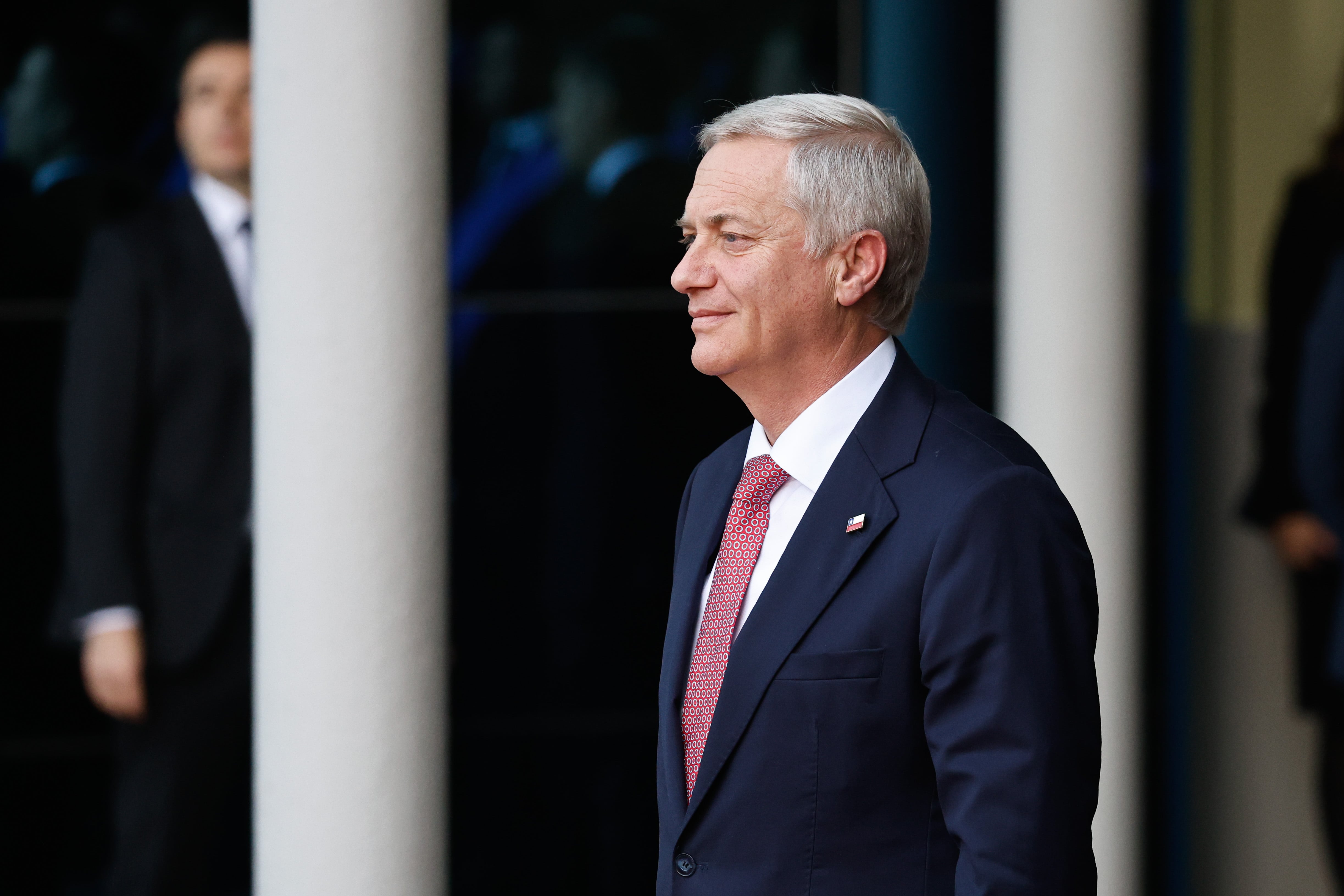
José Antonio Kast's administration is confronting internal divisions within the Chilean right, which are hindering the consolidation of a long-term political program. The sector has adopted counterproductive categorizations, such as distinguishing between a "cowardly" and a "moderate" right, a distortion that Johannes Kaiser likens to a forced "spagat," stretching positions to the point of diluting the bloc's core identity. To overcome this, the right needs a strategic re-engineering to build a coalition without sacrificing its identity.
Key steps include reversing the consolidation of the Political Committee, which currently centralizes power in the Interior, Segpres, and Segegob ministries. This move, proposed by Kast, clashes with the need to represent various political forces in the inner circle, as reducing these spaces eliminates bargaining chips essential for preventing fragmentation. Building trust to incorporate nominal allies is also crucial; the Republican Party (PR) faces a dilemma similar to the Frente Amplio's past challenges, needing to cooperate with figures like Evelyn Matthei and the piñerismo, despite potential friction with factions like the Partido Nacional Libertario (PNL).
Furthermore, the administration must correct the overreliance on independent figures in ministerial and undersecretary roles, as coalitions require ministries to serve as platforms for projection and second-tier positions for support structures. The inclusion of the "hinge generation," identified by Gonzalo Rojas as emerging leaders close to gremialism who are currently unaligned, such as Marcela Cubillos and Rodrigo Álvarez, is also proposed to add depth to the government. Finally, this strategic re-engineering must be executed promptly, given pressing economic indicators like unemployment and the risk of student mobilizations and economic stagnation, necessitating intelligent pragmatism over naive pursuit of broad agreements.
The analysis highlights a strategic dilemma within the Chilean right, where internal ideological fragmentation and competition for political influence are impeding the formation of a cohesive coalition. The proposed "re-engineering" suggests a need to balance representation, power-sharing, and strategic alliances to navigate electoral and governance challenges. The critique of the "Political Committee" consolidation and the emphasis on incorporating diverse factions point to systemic governance issues related to centralized power versus coalition stability. The author suggests that a pragmatic approach, prioritizing timely action and flexible alliances, is necessary to overcome ideological purity contests and achieve electoral viability in the face of economic pressures and potential social unrest. This situation reflects broader trends in political party evolution, where adapting to changing voter demographics and maintaining internal cohesion are critical for long-term success in a multi-polar political landscape.
AI-generated to prompt reflection — not editorial opinion, not advice, not a statement of fact. How this works.