Chilean School Admission System Faces Equity and Choice Dilemmas
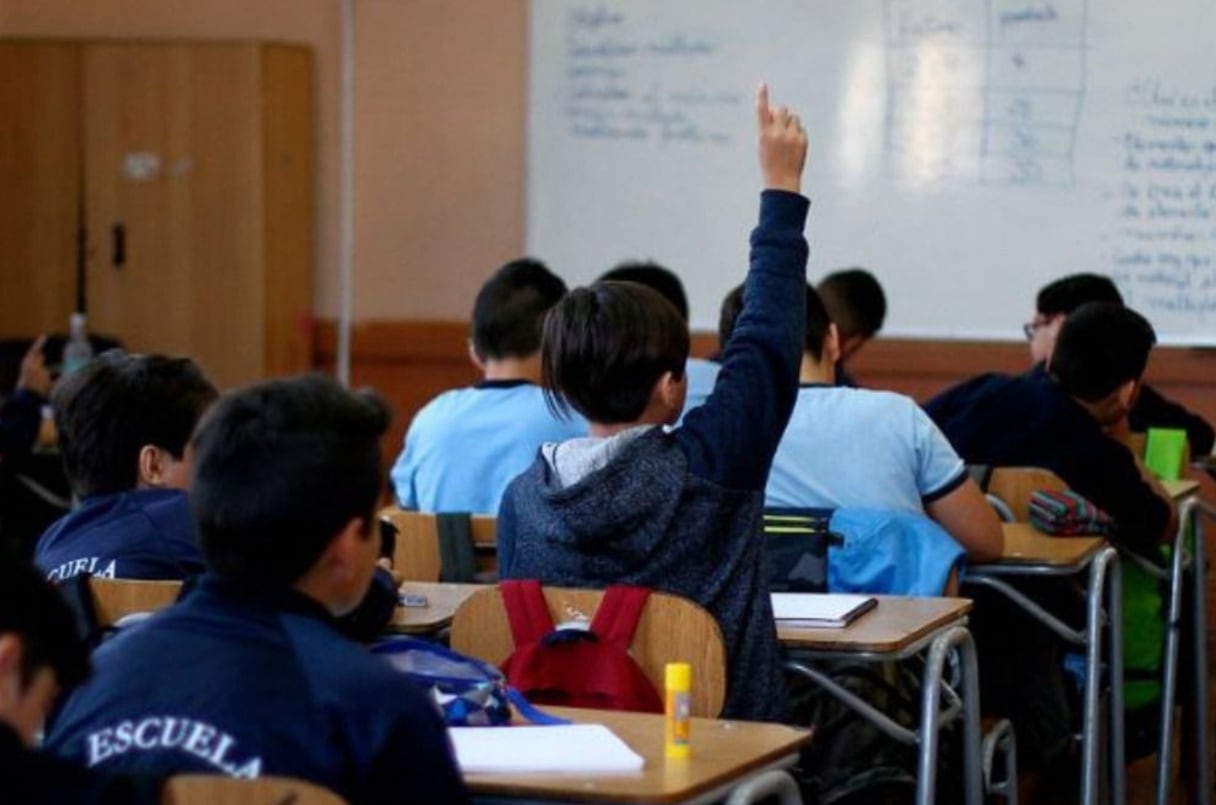
Chile's School Admission System (SAE) is grappling with issues of distributive justice due to a poor quality of school offerings, leading to significant parental frustration. Currently, 55% of families' first preferences are concentrated in a few schools, making it impossible to satisfy everyone. While 53% of students were assigned to their first preference this year, a substantial 47% were not, often resulting in disappointment.
The primary method for allocating spots in oversubscribed schools is random selection, which the article argues upholds equality of opportunity by giving every family an equal chance. However, the deep dissatisfaction stems not from the randomness itself, but from the lack of genuinely desirable alternatives. Families place a much higher value on their first choice compared to their second, indicating a perceived scarcity of options and a high-stakes decision for their children's future.
Proposed legislative changes by the Executive aim to alter assignment criteria, potentially favoring certain characteristics over others, which the author contends would undermine the principle of equal opportunity, especially for young children. The piece questions the logic of introducing differential treatment based on factors like talent or effort at such an early age, suggesting it could embed class bias and contradict the state's obligation to prioritize the common good over individual interests. It argues that abandoning equality of opportunity at age four risks moving towards a caste system rather than a free society.
The Chilean School Admission System's reliance on random selection for scarce educational resources highlights a fundamental tension between equality of opportunity and parental choice, particularly when the quality of available options is perceived as low. The concentration of demand for a few schools suggests market failures or systemic issues in educational provision that need addressing. Introducing criteria beyond random chance, especially at early ages, risks creating a tiered system that entrenches socioeconomic disparities, despite potential arguments for merit-based differentiation in later educational stages. The debate underscores the challenge for governments to balance individual liberty and parental rights with the societal imperative of equitable access to quality education, questioning whether the current framework truly serves the long-term public good or inadvertently fosters a less inclusive society.
AI-generated to prompt reflection — not editorial opinion, not advice, not a statement of fact. How this works.