Chilean School Admission System Faces Reform Amidst Concerns Over Random Allocation
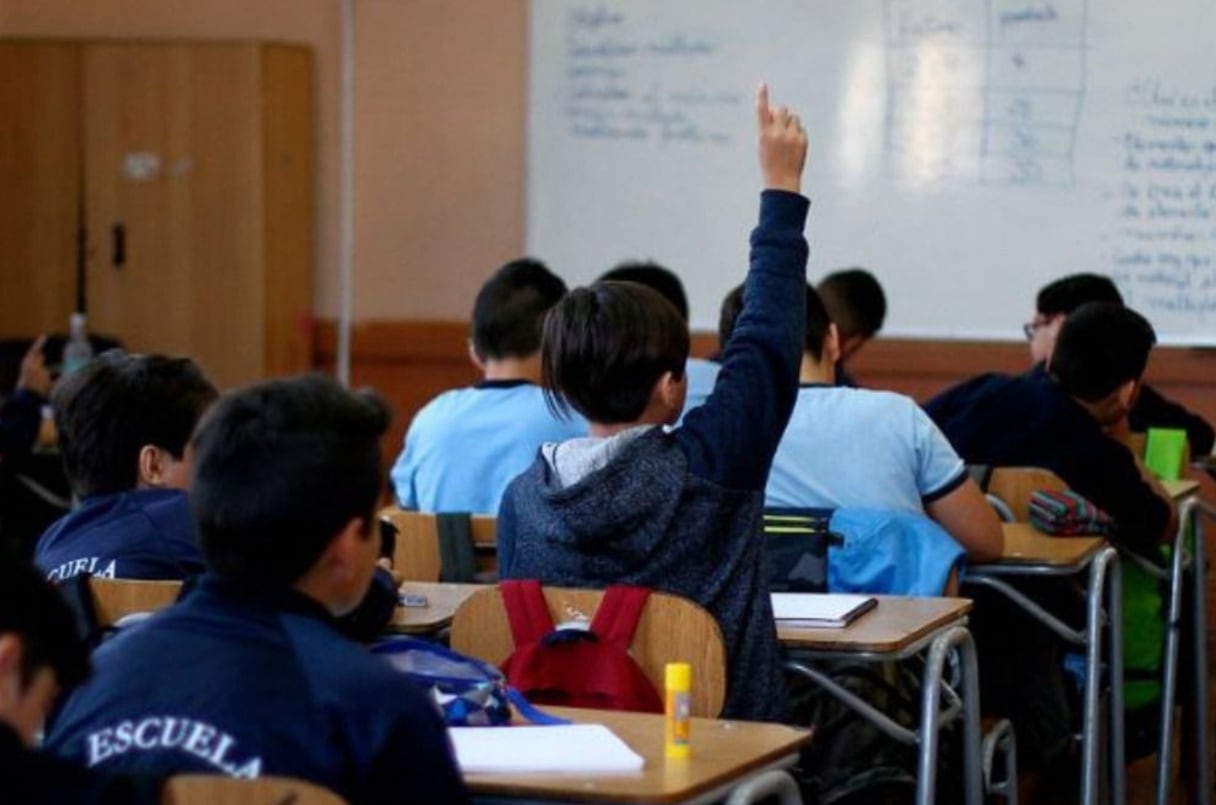
Chile's School Admission System (SAE), implemented nearly a decade ago by the second Bachelet administration, is undergoing a review due to its heavy reliance on random allocation. The original intention was to combat discriminatory practices by removing school autonomy in admissions, but this led to an overcorrection where chance became the primary factor in assigning students to popular schools. Currently, for schools with high demand, 85% of first-preference applicants do not meet any legal priority criteria, forcing the algorithm to use a lottery system. This figure approaches 90% for first-year secondary education. Recognizing this issue, the current Executive's proposed bill acknowledges that the problem lies not with the SAE itself, but with the limited information available when demand outstrips supply. The proposal introduces a "mutual election" phase, allowing certain schools to develop their own admission processes. While this enhances school autonomy, it raises concerns about distinguishing legitimate educational project-based decisions from arbitrary discrimination. Without precise standards to differentiate lawful actions from violations, uncertainty could arise, potentially reverting students to the current random system if schools lose this new mechanism. An alternative suggestion involves allowing schools to define additional prioritization criteria aligned with their educational projects, which the algorithm would then apply during periods of overdemand. This approach aims to retain the SAE's strengths, such as a single point of contact, transparency, and established rules, while reducing the role of chance and bolstering the freedom of education. This could represent a balanced solution reconciling various viewpoints.
The proposed reform of Chile's School Admission System highlights a common policy challenge: balancing equity with autonomy. The initial implementation, driven by a desire to prevent discrimination, inadvertently amplified the role of chance in educational access. The current proposal to reintroduce school-based selection criteria, while seemingly addressing the overreliance on random allocation, risks creating new avenues for subtle discrimination if not carefully regulated. The core tension lies between ensuring equal opportunity for all students and empowering educational institutions to shape their communities according to their pedagogical vision. Future policy design should focus on transparent, objective criteria that demonstrably align with educational goals, rather than subjective interpretations that could be exploited. This approach could foster a more meritocratic and less arbitrary system, while still respecting institutional identity and parental choice, navigating the complex interplay of market dynamics and public service in education.
AI-generated to prompt reflection — not editorial opinion, not advice, not a statement of fact. How this works.