Chilean Senate Approves Reconstruction Bill, Moving Towards Economic Reform
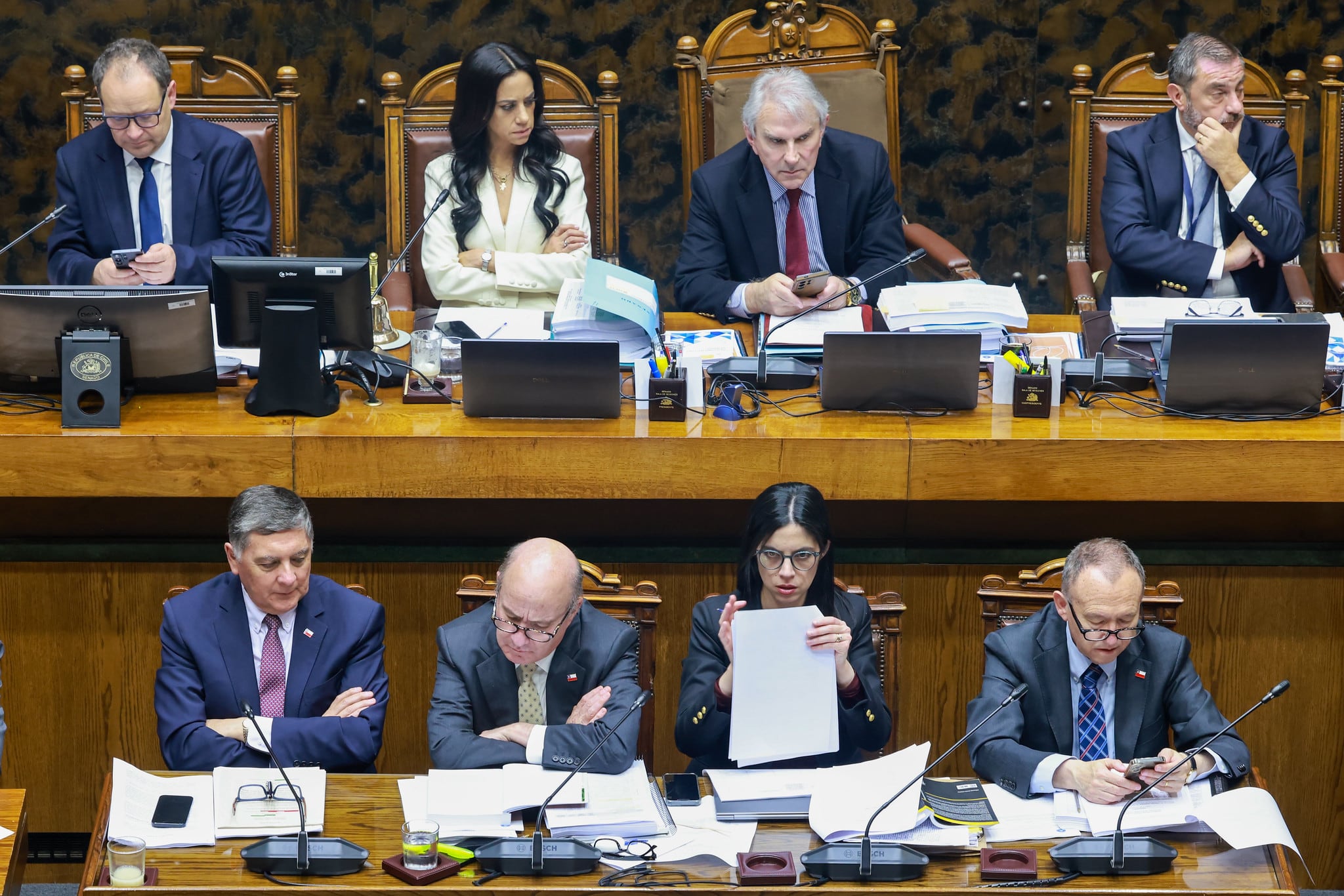
The Chilean Senate has taken a significant step towards economic reform by approving the Reconstruction Bill. This legislation now moves to the Chamber of Deputies for approval of amendments, after which it could become law. Proponents argue that this bill is crucial for restoring the country's competitiveness, attracting investment, and revitalizing the economy. Without such changes, they warn, Chile risks a decade of stagnation, leading to poverty, frustration, and ungovernability, which could foster organized crime and populism.
The bill passed solely with votes from the ruling party, as the opposition was divided. Some opposition members were open to certain amendments but faced pressure from the far-left. Others demanded that tax reductions be offset by maintaining the overall tax burden, while the Communist Party and the Broad Front refused to approve any changes, maintaining an irreconcilable stance. Critics from the opposition highlight that this is the first major tax reform since 1990 and express regret over its approval without broader consensus. The article notes a historical pattern where right-wing parties have supported tax increases, but left-wing parties have consistently opposed tax reductions and measures to shrink the state or increase private sector involvement.
While acknowledging the bill's importance, the author emphasizes it is only a partial step. Further reforms are needed, particularly to restore labor market flexibility, which is seen as essential for reducing unemployment and increasing wages. The piece argues that electoral change should signify a shift in national direction, not just administrative continuity. The author suggests a temporary focus on creating conditions for good jobs, rather than continuing with reforms aimed at expanding the state and increasing subsidies.
The legislative advancement of the Reconstruction Bill in Chile represents a pivotal moment in the nation's economic policy debate. The bill's passage, driven by the ruling party amidst opposition divisions, underscores a divergence in political philosophies regarding fiscal policy and the role of the state. The core tension appears to be between fostering economic growth through deregulation and tax incentives versus maintaining or increasing the tax burden to fund social programs or public services. This dynamic reflects a broader global debate on balancing market liberalization with social equity. Looking ahead, the long-term success of this reform will likely depend on its ability to demonstrably improve economic indicators such as employment and investment, while also addressing potential concerns about social inequality. The interplay between legislative action, market response, and public perception will shape Chile's economic trajectory over the next decade, particularly in the context of evolving global economic pressures and technological shifts.
AI-generated to prompt reflection — not editorial opinion, not advice, not a statement of fact. How this works.