Chilean Senate Approves Reconstruction Law, Faces Opposition Challenges
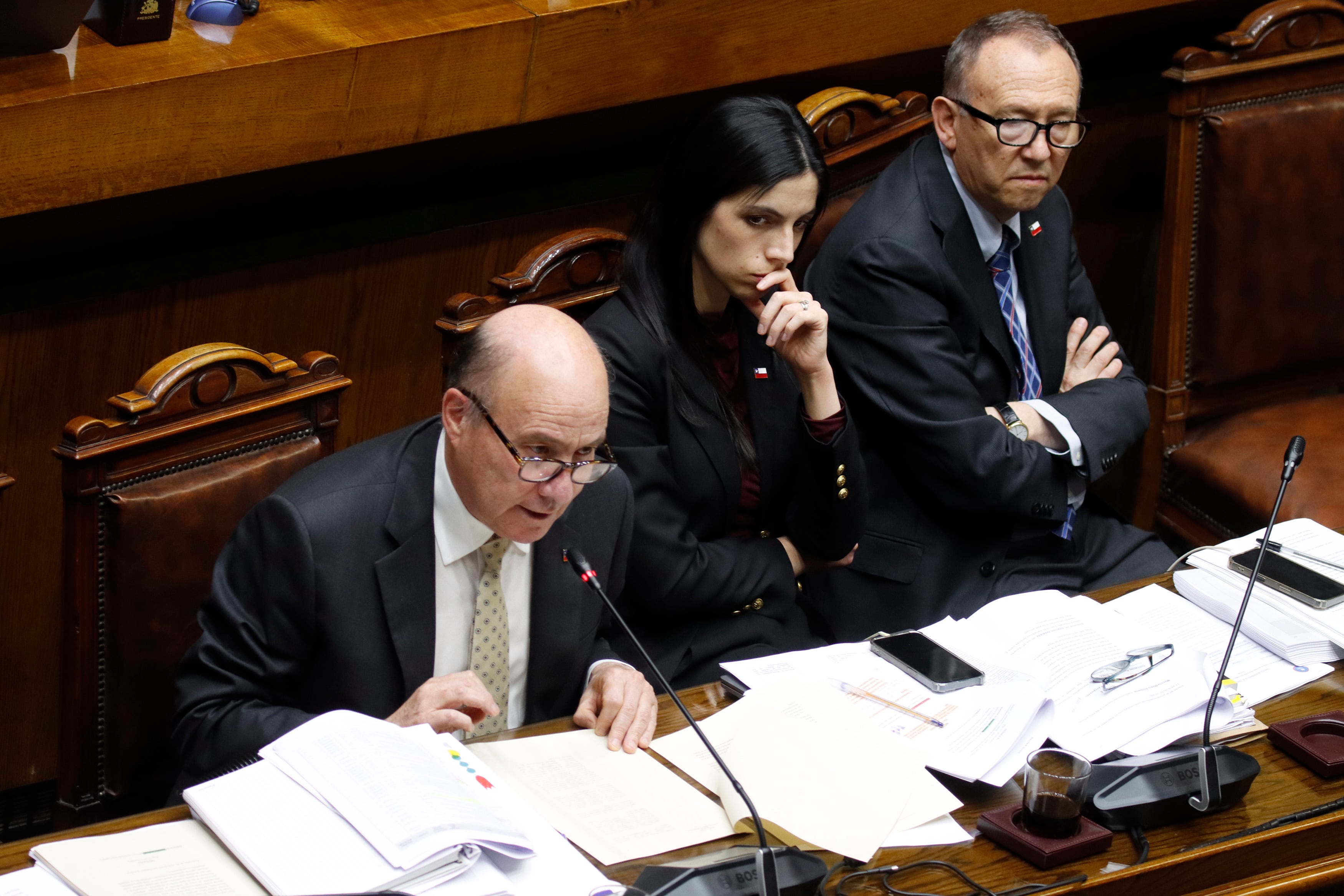
The Chilean government achieved a significant victory with the Senate's approval of the Reconstruction Law on Wednesday night. The bill, a cornerstone of President José Antonio Kast's administration, passed with 26 votes, though it did not secure support from the opposition. Key provisions, including tax reduction, reintegration, and invariability clauses, were approved. The legislation now returns to the Chamber of Deputies, where the PDG and Libertarian parties have raised demands that suggest it may proceed to a mixed commission. Meanwhile, the left-wing opposition is preparing to challenge the law in the Constitutional Court. A group of lawyers linked to this sector, including Tomás Jordán, Jorge Correa Sutil, Jaime Gajardo, Domingo Lovera, and Jaime Bassa, are drafting four petitions. These challenges will primarily target the tax invariability and a provision allowing the state to compensate companies for investments halted due to environmental impact assessments being rejected. Opposition senators indicated these petitions would be presented to the court by Monday.
The legislative process has caused internal friction. The breakdown of an agreement between the government and the PPD regarding tax invariability dealt a blow to Finance Minister Jorge Quiroz, who publicly acknowledged an error in proposing a reduction in corporate tax from 23% to 22%. This marked a difficult start for the economist, though he received implicit backing from President Kast. Additionally, Socialist Party leader Paulina Vodanovic faced internal dissent following her negotiations with the Finance Ministry, which ultimately failed to yield an agreement. The week concluded with a severe storm affecting much of the country, prompting the Executive to declare a preventive emergency in 10 regions and suspend classes. As of this report, heavy rains persist, with President Kast actively serving as the government's primary spokesperson for the emergency.
The passage of the Reconstruction Law through the Chilean Senate, despite lacking broad consensus, highlights a common governance dynamic where executive priorities can advance through determined legislative maneuvering. The opposition's intent to challenge specific provisions in the Constitutional Court underscores the ongoing tension between legislative power and judicial review, particularly concerning economic policy and state compensation frameworks. This legal recourse, if successful, could significantly alter the scope and implementation of the law, impacting future investment and regulatory environments. Furthermore, the internal party politics revealed by the negotiations and subsequent disagreements suggest that achieving long-term policy stability may require more inclusive dialogue and consensus-building mechanisms, especially in a landscape increasingly shaped by evolving economic and environmental imperatives.
AI-generated to prompt reflection — not editorial opinion, not advice, not a statement of fact. How this works.