Chilean Senate Passes Megareform Amidst Opposition's Disunity and Government's Unwavering Stance
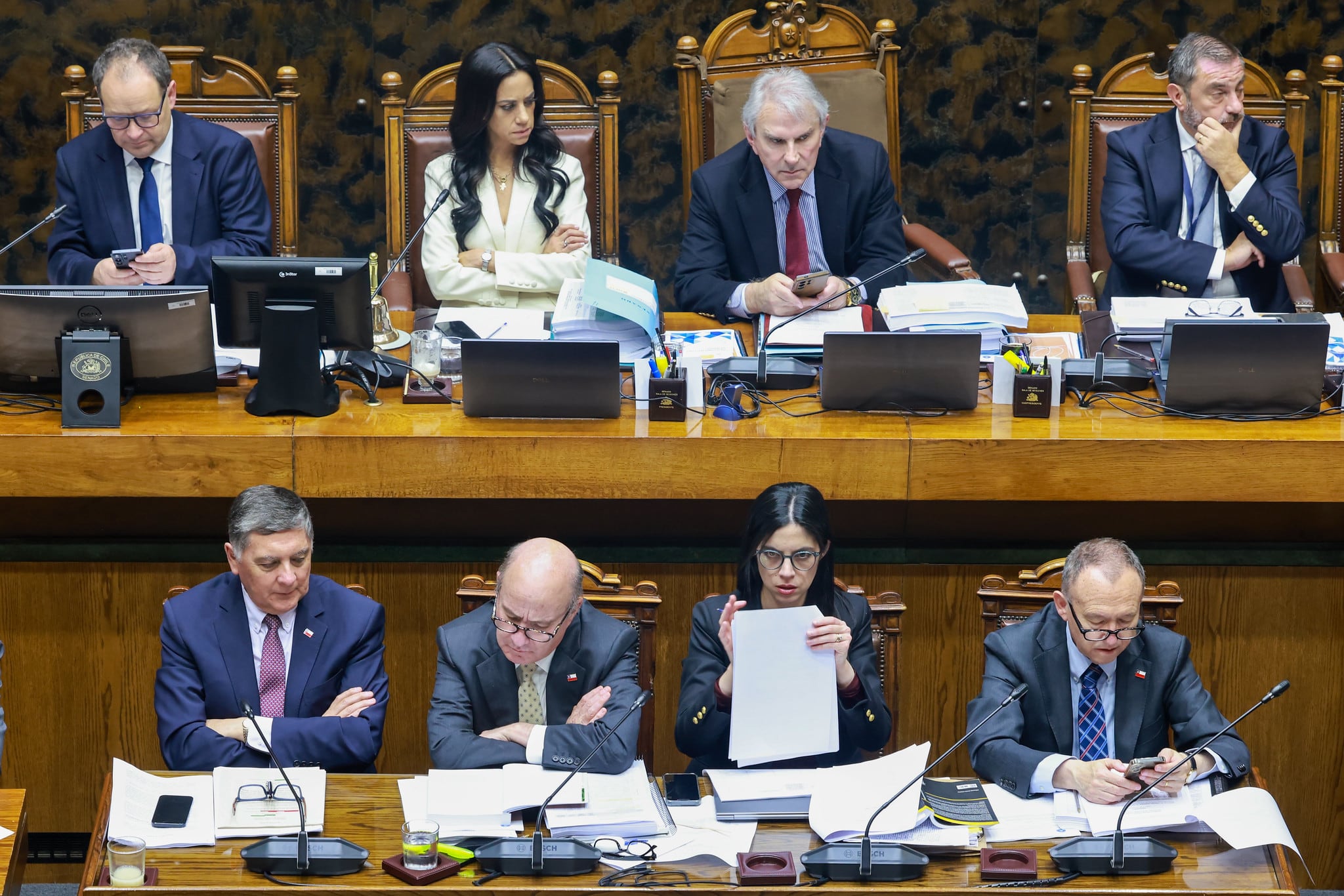
In the early hours of Thursday, the Chilean Senate approved a significant "megareform" bill, including key tax provisions like corporate tax reduction, reintegration, and invariability. The reform passed with the government's existing parliamentary majority, without any support from the opposition. The author argues that the reform's approval was predetermined by the outcome of the last elections, which secured the necessary parliamentary arithmetic for the government. The crucial battle over the past three months was not about whether the reform would pass, but how it would be enacted, and in this regard, both the government and the opposition are seen as having lost. The government maintained its original proposal, making only minor concessions on implementation details like invariability periods and tax rates, but never on the core model. A significant negotiation attempt was reportedly undermined by accusations that the Ministry of Finance withheld crucial information, with the minister's competence questioned by even his adversaries. The government prioritized meeting its self-imposed deadline for the reform's passage over persuading dissenting voices. The opposition, facing an anticipated defeat, failed to present a united front or a coherent alternative. Instead, individual parties pursued their own limited negotiations on specific aspects, such as the gradual implementation of invariability or the preservation of the Sence program, while simultaneously criticizing each other for engaging in such talks. Their announcement of a constitutional challenge preceded internal agreement, leading to disunity and a final vote characterized solely by rejection. The bill now returns to the Chamber of Deputies for ratification and is expected to face a constitutional challenge. The government's economic narrative hinges on this reform's promise to stimulate the economy, though the author notes that tax cuts do not typically generate immediate employment and investment takes time. With the government having focused its messaging on this single law for four months amidst declining poll numbers, the public's reaction when their daily lives remain unchanged after the law's enactment is a critical, unresolved question. Upcoming legislative battles, including reforms to capital markets and labor laws, are expected to further solidify the government-opposition divide. The author concludes that while the votes were secured, the crucial task of winning public confidence and expectations remains unfulfilled.
The legislative process described highlights a common governance challenge where a government, possessing a stable majority, prioritizes legislative deadlines over broad consensus-building. This approach, while efficient in securing votes, risks alienating opposition parties and potentially the public if the promised economic benefits do not materialize swiftly. The opposition's fragmentation and lack of a unified counter-proposal demonstrate the difficulties in effectively challenging a predetermined legislative outcome. Moving forward, the government's success will likely hinge on its ability to manage public expectations regarding the economic impact of the reform, especially as future legislative agendas loom. The interplay between legislative action, economic performance, and public perception will be a critical dynamic to monitor over the next electoral cycle.
AI-generated to prompt reflection — not editorial opinion, not advice, not a statement of fact. How this works.