Chilean Socialist Leader Points to 'Passive Accomplices' on Human Rights Information
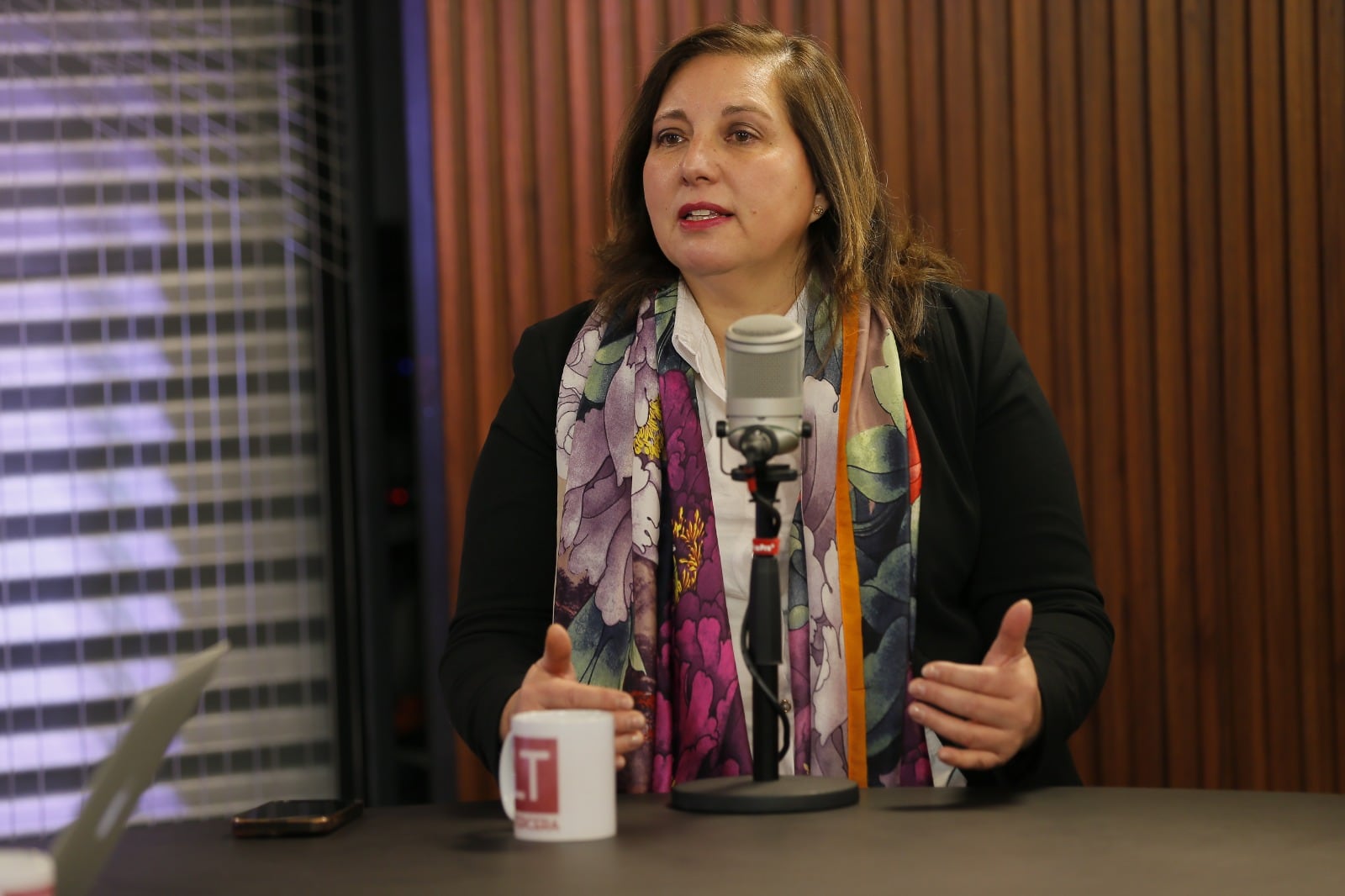
Paulina Vodanovic, the leader of Chile's Socialist Party (PS), has responded to criticism of the National Commission for Truth and Reconciliation's report. The controversy arose following the case of Bernarda Vera, a woman who was mistakenly listed as a disappeared detainee. DNA testing later confirmed that Vera is alive and residing in Argentina. Vodanovic suggested that individuals who possess outstanding information regarding human rights violations are those she termed 'passive accomplices.' This statement appears to address ongoing efforts to clarify historical human rights cases and the accountability of those who may have knowledge but have not come forward. The Socialist Party leader's remarks highlight the complexities and sensitivities surrounding the reconciliation process in Chile, particularly concerning unresolved cases from the past.
The Socialist Party leader's comments highlight the ongoing challenges in reconciling Chile's past human rights abuses with current efforts to establish a definitive historical record. By labeling individuals with unshared information as 'passive accomplices,' Vodanovic introduces a framework that could incentivize disclosure, potentially aiding reconciliation efforts. However, this framing also risks creating further division or defensiveness, depending on how it is perceived and implemented. The effectiveness of such statements hinges on a transparent and equitable process for handling new information, ensuring that the focus remains on truth and justice rather than retribution. Future reconciliation initiatives will likely need to balance the imperative for complete information with the legal and social realities of accountability.
AI-generated to prompt reflection — not editorial opinion, not advice, not a statement of fact. How this works.