Chilean State Defense Council Rejects Fishery Firm's Compensation Claim
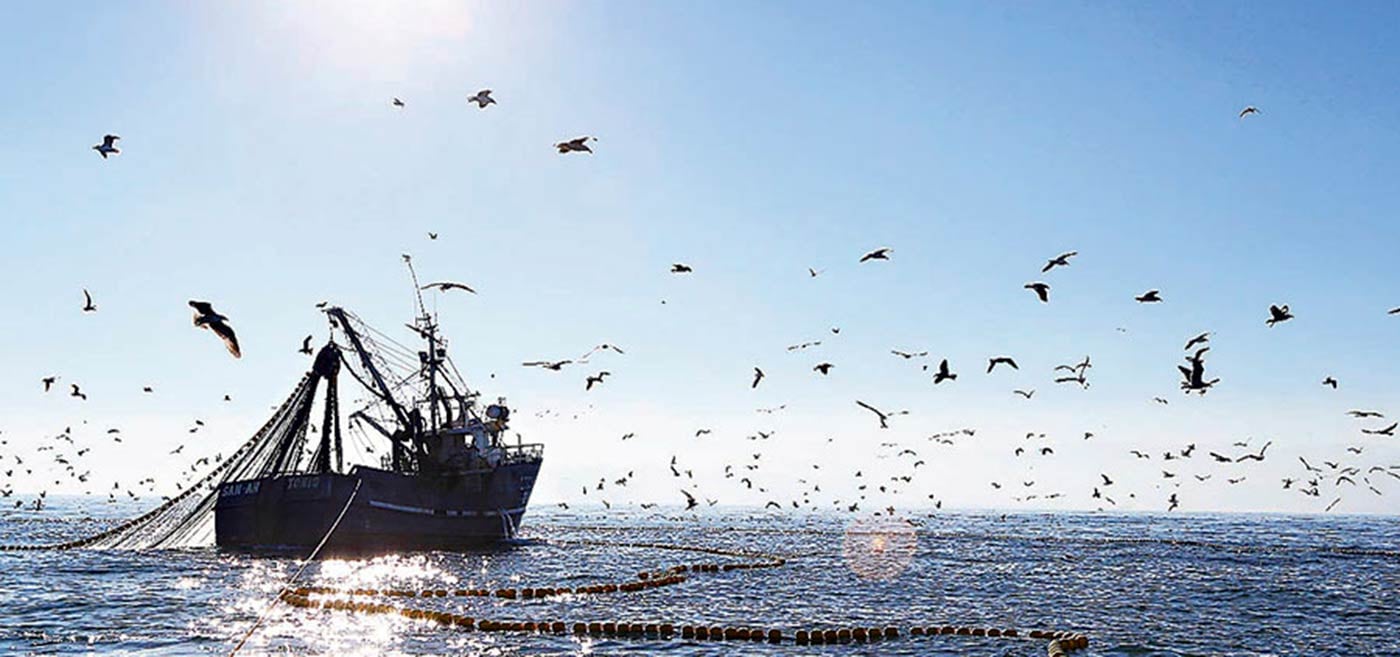
The State Defense Council (CDE) of Chile has responded to a lawsuit filed by the fishing company Camanchaca. Camanchaca is seeking compensation, alleging a change in regulations following the approval of the Fishery Fractioning Law in 2025. The CDE argues that imposing indemnities for every regulatory change would hinder social progress. They further contend that widespread liability for the effects of laws could lead to the bankruptcy of the State and the ruin of public finances. The council's statement suggests that such a precedent could paralyze the government's ability to enact necessary legislative changes.
The State Defense Council's stance highlights a fundamental tension between regulatory stability and the state's capacity to adapt laws for societal benefit. While companies seek predictability and protection against perceived arbitrary rule changes, the state must retain the flexibility to legislate for evolving public interest, environmental sustainability, or economic restructuring. The CDE's concern about potential state bankruptcy underscores the systemic risk of holding the government liable for all unintended consequences of legislation. This dynamic raises questions about the design of regulatory frameworks, the mechanisms for compensating affected parties fairly without paralyzing governance, and the long-term implications for investor confidence versus the public good in a rapidly changing world.
AI-generated to prompt reflection — not editorial opinion, not advice, not a statement of fact. How this works.