Chilean UDI Party Seeks Cuts to Human Rights Institute Amid Budget Debate
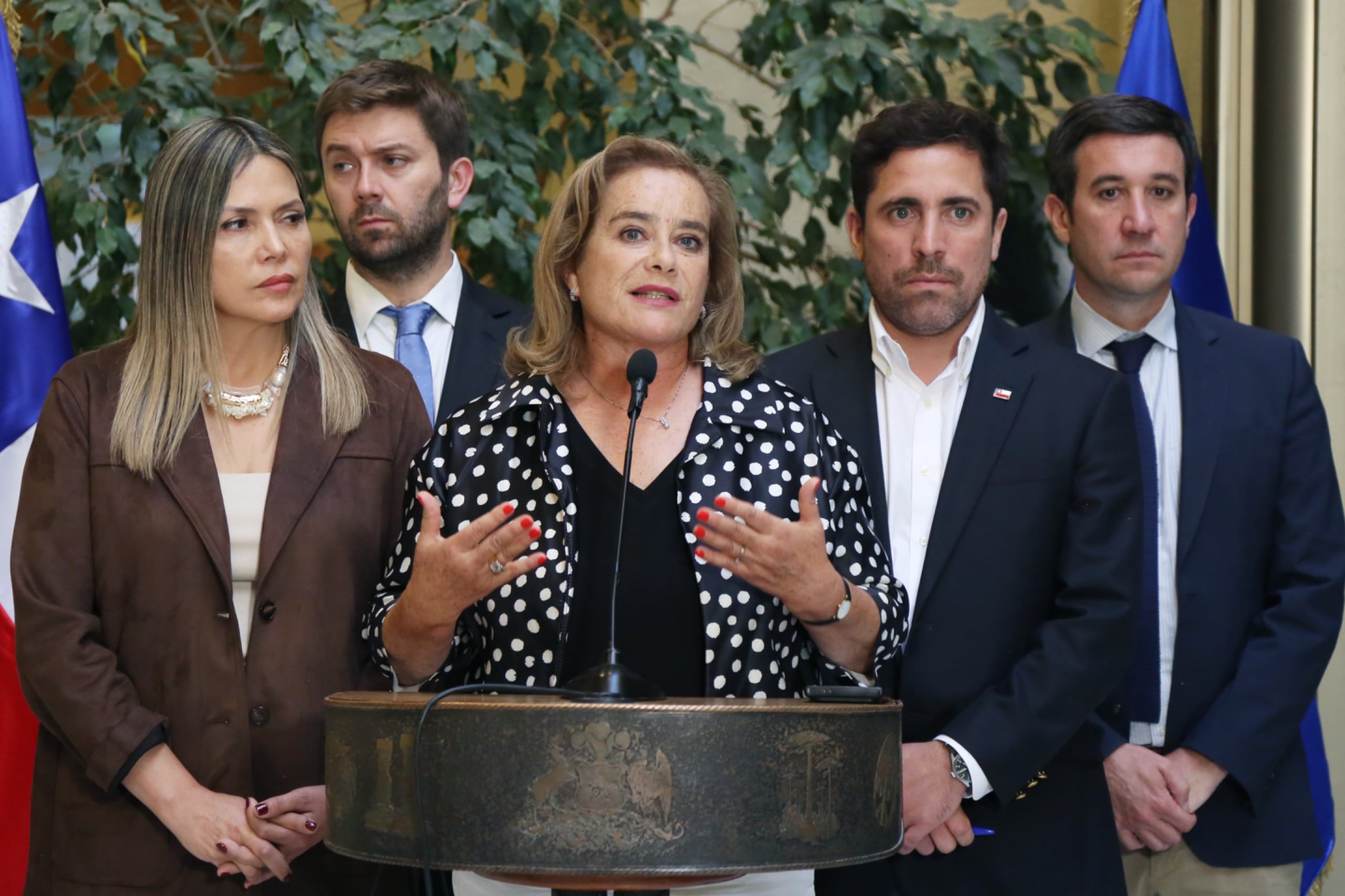
The Chilean UDI party is intensifying its efforts to reduce the budget of the National Institute of Human Rights (INDH). This move follows a government decision to maintain the existence of the INDH, despite calls from other right-wing political factions to abolish it entirely. The UDI party, a prominent right-wing political party in Chile, has activated a significant campaign to scrutinize the budgetary allocations for the INDH. The controversy highlights a broader political debate within Chile regarding the role and funding of institutions tasked with protecting human rights. The UDI's pressure comes amid ongoing questions from other right-wing groups about the INDH's operations and effectiveness. The government's commitment to keeping the INDH operational appears to be facing considerable political headwinds from its right flank. The specific amount of funding under scrutiny is not detailed in the original report, but the UDI's actions signal a strong intent to curb the institute's financial resources. This situation reflects a divided political landscape concerning human rights oversight in Chile.
The political pressure exerted by the UDI party on the INDH's budget reflects a recurring tension between governmental oversight bodies and political factions that may perceive them as ideologically misaligned or overly critical. The UDI's strategy of questioning budgetary allocations, rather than outright abolition, suggests an attempt to exert influence through fiscal constraints, a common tactic in political maneuvering. This approach could be interpreted as a means to shape the INDH's operational capacity and potentially its future policy directions without engaging in a more contentious public debate over its fundamental existence. The government's decision to maintain the INDH, while facing pressure, indicates a balancing act between appeasing political allies and upholding institutional mandates. Future budgetary decisions will likely be shaped by the ongoing political dynamics and the INDH's ability to demonstrate its value and impartiality to a diverse range of stakeholders.
AI-generated to prompt reflection — not editorial opinion, not advice, not a statement of fact. How this works.
