Chilean UDI President Suggests President Boric Was Drunk During Interview
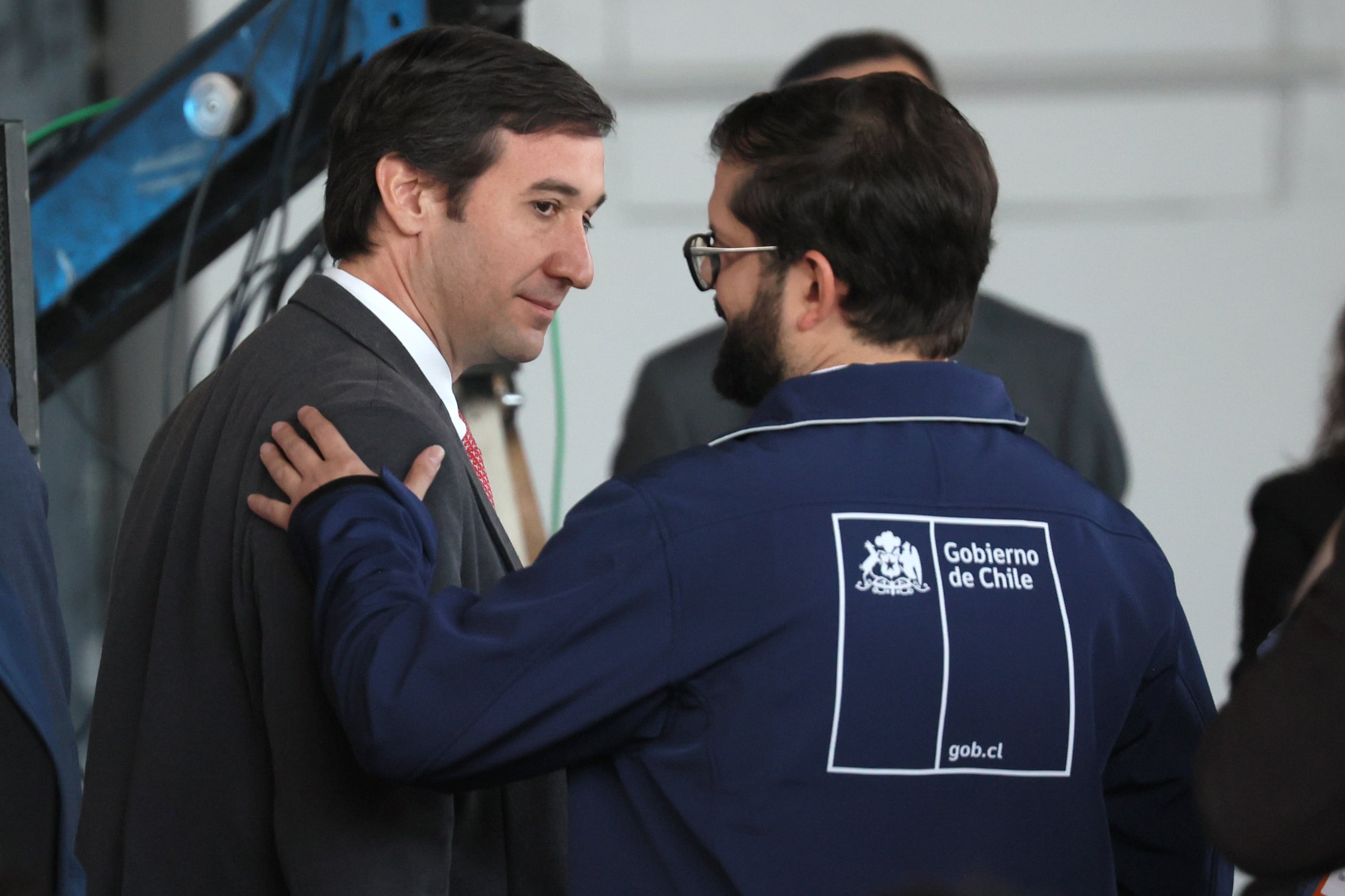
The president of the UDI party in Chile, Javier Macaya, has speculated about President Gabriel Boric's state of mind during an interview where criticism was directed at presidential candidate José Antonio Kast. Macaya suggested that Boric might have been intoxicated during the interview. He further stated that if Boric was not under the influence of alcohol, the alternative—that he was fully lucid and sober while sharing such an interview—would be considerably more concerning. This statement implies a strong disapproval of President Boric's actions and the content shared.
This incident highlights the intense political polarization in Chile, where rhetorical attacks can escalate to personal accusations regarding sobriety. From a governance perspective, such public commentary by political leaders, regardless of their party affiliation, can detract from substantive policy discussions and erode public trust in the office of the presidency. The underlying incentive structure for political actors often favors provocative statements that capture media attention and energize their base, even at the risk of appearing undignified or unprofessional. Looking ahead, as political discourse continues to evolve with digital media, the challenge will be to foster an environment where constructive debate prevails over personal attacks, ensuring that leadership is judged on policy and performance rather than speculation about private conduct.
AI-generated to prompt reflection — not editorial opinion, not advice, not a statement of fact. How this works.