Chilean Woman Declared Missing During Pinochet Era Found Alive 50 Years Later
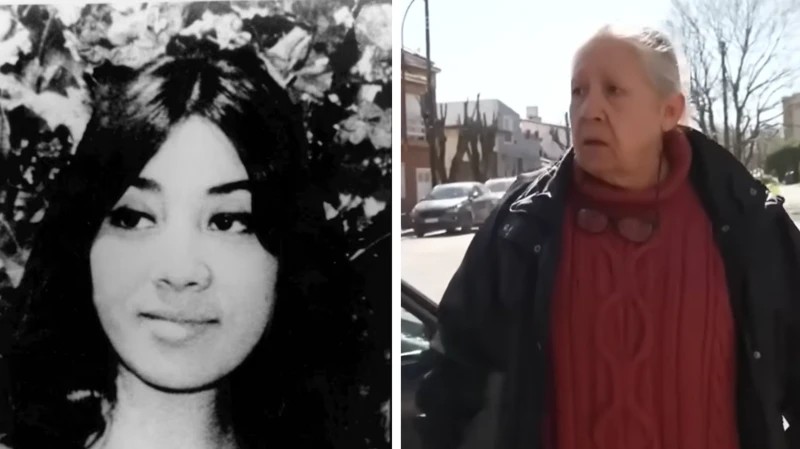
Bernarda Rosalba Vera Contardo, a Chilean woman long believed to be a victim of forced disappearance during Augusto Pinochet's dictatorship, has been found alive and residing in Argentina. Her whereabouts were lost in October 1973, shortly after the coup d'état. She remarried, had more children, obtained Swedish nationality, and lived for years in the Buenos Aires province. TV channel Chilevisión located her in Miramar, south of the Argentine capital, last year. A DNA test, ordered by Chilean Minister Álvaro Mesa Latorre, confirmed her identity this week. The 80-year-old's genetic profile, matched against samples from her relatives in Chile's National Genetic Bank, showed a probability of identification exceeding 99.9999%.
In 1973, a 27-year-old Vera was a political activist with the Revolutionary Left Movement (MIR) and the Revolutionary Peasant Movement (MCR). The Rettig Report, published in 1991 by the Truth and Reconciliation Commission, listed her as one of 1,469 forced disappearance victims, stating she was detained on October 10, 1973, and allegedly executed with 15 others. However, a former MIR comrade, José Manuel Bravo, stated in his testimony and book that Vera escaped military pursuit in October 1973 and survived in the mountains until December of that year. It is believed she then clandestinely escaped to Argentina, possibly aided by a Swedish MIR member.
Vera later moved to Sweden with her Argentine husband and infant son, obtaining Swedish citizenship in 1984 before returning to Argentina in the late 1990s. Her 58-year-old daughter in Chile, who was five when Vera disappeared, expressed disbelief upon learning her mother was alive, as she had searched for her for years and believed she would have contacted her if she were alive. The confirmation of Vera's survival was officially communicated to her daughter by Minister Mesa Latorre on July 27.
This case highlights the critical distinction between documented historical records of human rights abuses and individual survival narratives. The Chilean justice system's confirmation, through DNA evidence, of Bernarda Vera's survival challenges the established narrative of her being a victim of forced disappearance and execution. This situation prompts reflection on the methodologies used by truth commissions and the potential for individuals to create new lives outside of state-controlled information systems, especially during periods of political upheaval and subsequent exile. The long-term implications involve reassessing historical victim counts and understanding how individuals navigate profound personal changes, potentially leaving behind established familial and national identities to seek safety or a new beginning, even if it means severing ties and creating a new personal history.
AI-generated to prompt reflection — not editorial opinion, not advice, not a statement of fact. How this works.