Chimpanzee Crystal Fascination Offers Clues to Early Human Behavior
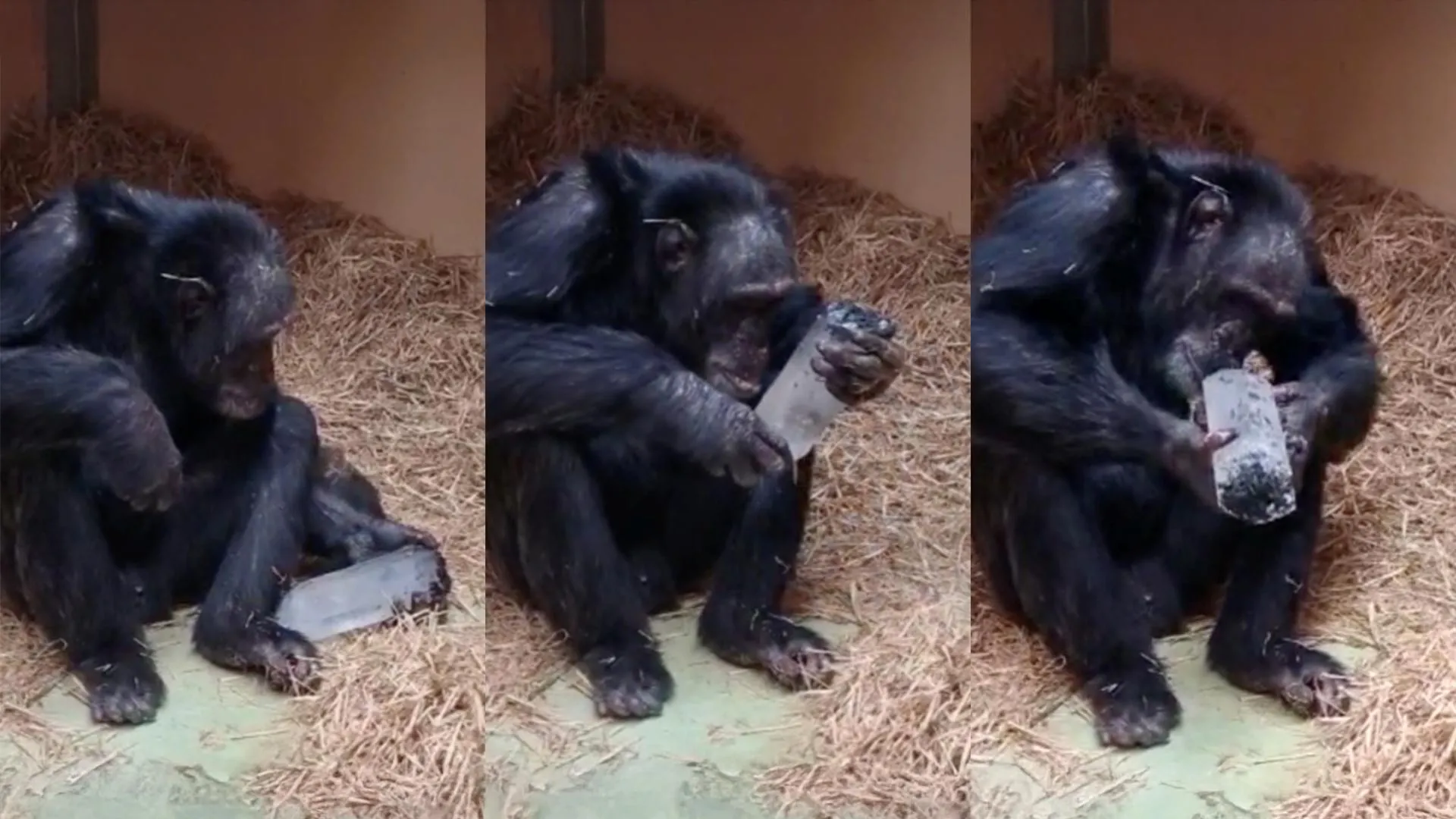
Chimpanzees have demonstrated a notable interest in crystals, preferring them over regular stones and examining them with significant curiosity. This behavior suggests that early humans may have been drawn to the unique properties of crystals long before they were utilized for any practical purposes. The research indicates a potential evolutionary link in the appreciation of these geological formations. The findings open new avenues for understanding the origins of human aesthetic preferences and tool-making behaviors. It implies that an innate attraction to certain materials might predate their functional applications. This discovery could reshape our understanding of early human cognitive development and cultural practices. The study highlights the complex relationship between humans and their environment, extending back to our earliest ancestors. The implications extend to fields such as anthropology, psychology, and even material science.
The observed attraction of chimpanzees to crystals, distinct from their preference for ordinary stones, prompts an examination of innate sensory preferences that may predate functional utility. This behavior suggests that early hominids might have developed aesthetic or cognitive responses to specific geological formations based on their inherent visual or tactile properties, rather than immediate practical applications. Understanding these foundational preferences could illuminate the evolutionary drivers behind material selection and early tool development. It raises questions about the role of non-utilitarian fascination in shaping technological and cultural trajectories over millennia, potentially influencing how future societies interact with novel materials and technologies.
AI-generated to prompt reflection — not editorial opinion, not advice, not a statement of fact. How this works.