China Achieves Reusable Orbital Rocket Recovery, Second Nation After US
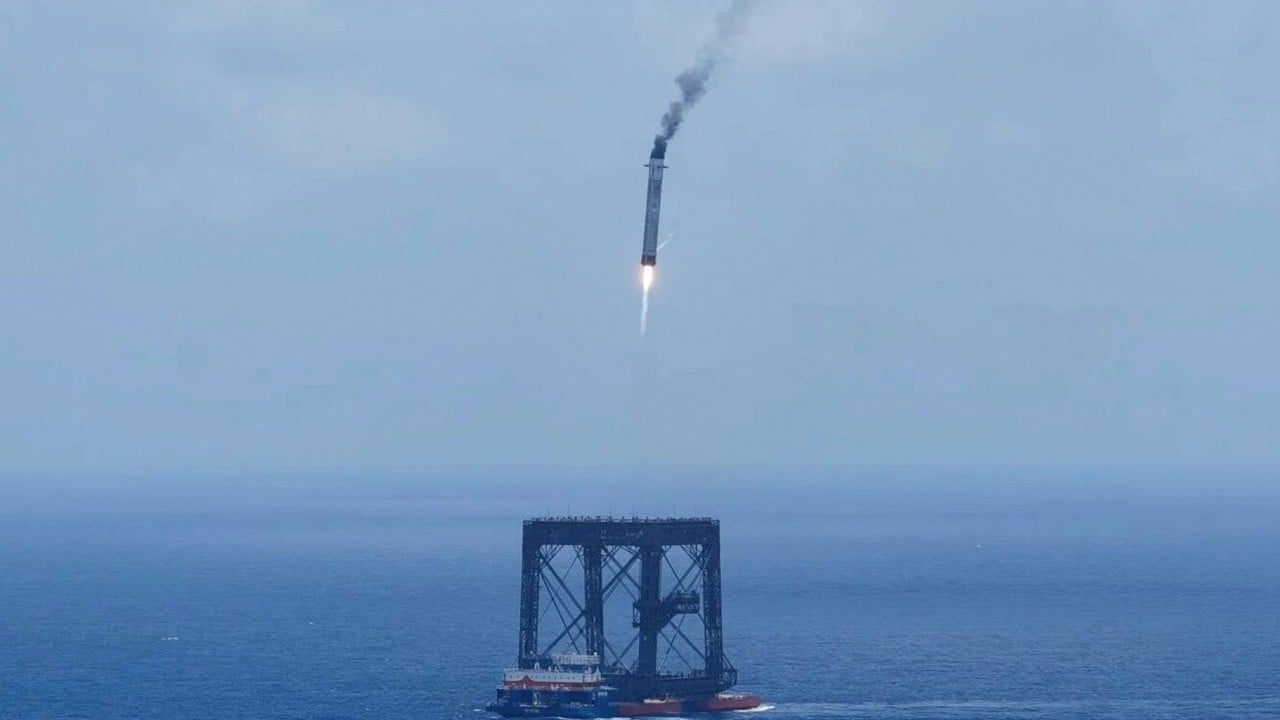
China has successfully achieved controlled recovery of a reusable orbital space rocket, becoming the second nation globally to do so after the United States. The milestone was reached on Friday with the capture of the booster stage of a Long March-10B rocket following its inaugural launch. This recovery employed a distinct technique compared to SpaceX's methods and prior Chinese efforts. Rather than utilizing extendable hydraulic legs for landing, the rocket stage used its engines to precisely maneuver over a floating platform positioned at sea. This development signifies a significant advancement in China's space exploration capabilities, particularly in the realm of reusable rocket technology. The successful recovery demonstrates growing expertise and innovation within China's space program. It also positions China as a key player in the global race for more sustainable and cost-effective space access.
China's successful recovery of a reusable orbital rocket booster marks a significant step in its space program's maturation. This achievement, mirroring US capabilities, suggests a strategic focus on reducing launch costs and increasing launch frequency, critical factors for sustained space operations and exploration in the coming decade. The adoption of a novel recovery method, distinct from existing international approaches, highlights indigenous innovation and potentially offers alternative pathways for future reusable launch system development. This competitive advancement within the global space sector underscores the increasing importance of technological sovereignty and the economic imperatives driving space exploration.
AI-generated to prompt reflection — not editorial opinion, not advice, not a statement of fact. How this works.