China Advances Low-Altitude Aircraft Propulsion with Key Milestones
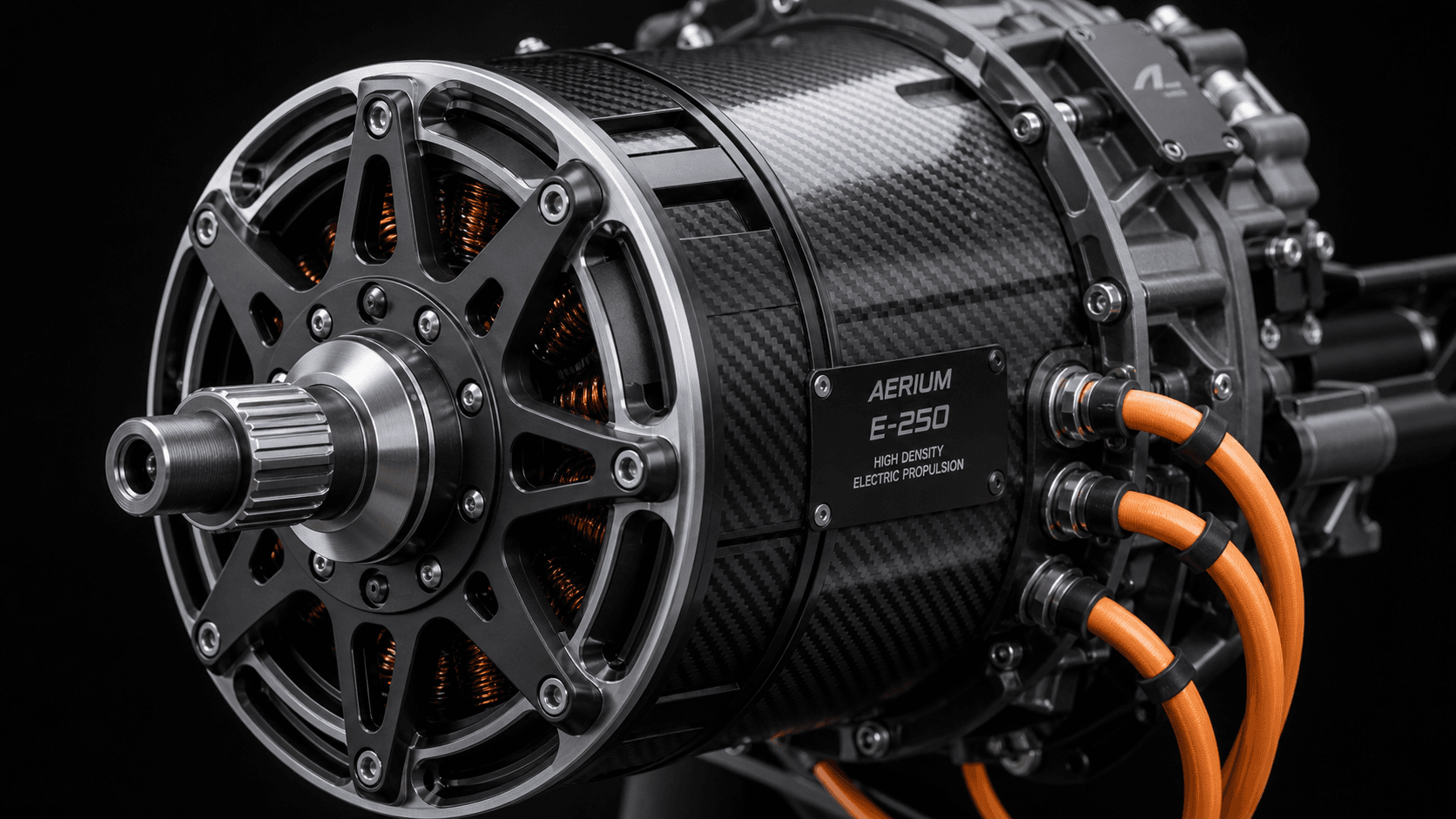
China's aviation electric propulsion sector is making significant strides as the "low-altitude economy" begins to open up. The industry has recently achieved several key milestones, signaling progress in domestic capabilities. A notable achievement includes the delivery of the AEE25 engine, a critical component for advanced aircraft. Furthermore, EHang, a prominent player in the sector, has received full certification for its operations, underscoring regulatory acceptance and maturity. Wolong Electric has also reported breakthroughs, further bolstering the sector's technological foundation. These developments collectively point to China's increasing capacity and commitment to developing its low-altitude aviation infrastructure and electric propulsion systems.
China's advancements in electric propulsion for low-altitude aircraft align with global trends toward electrification and the development of new aviation markets. The "low-altitude economy" concept suggests a strategic push to leverage airspace below 3,000 meters for various applications, including urban air mobility and logistics. The reported milestones, such as engine deliveries and certifications, indicate progress in overcoming technical and regulatory hurdles. From a systems perspective, these developments could foster new supply chains and business models, potentially reshaping regional transportation and economic activity. The long-term impact will depend on continued technological innovation, scalable manufacturing, robust safety standards, and integration with existing air traffic management systems.
AI-generated to prompt reflection — not editorial opinion, not advice, not a statement of fact. How this works.