China Aims for 40% Electric Truck Sales by 2030 to Cut Transport Emissions
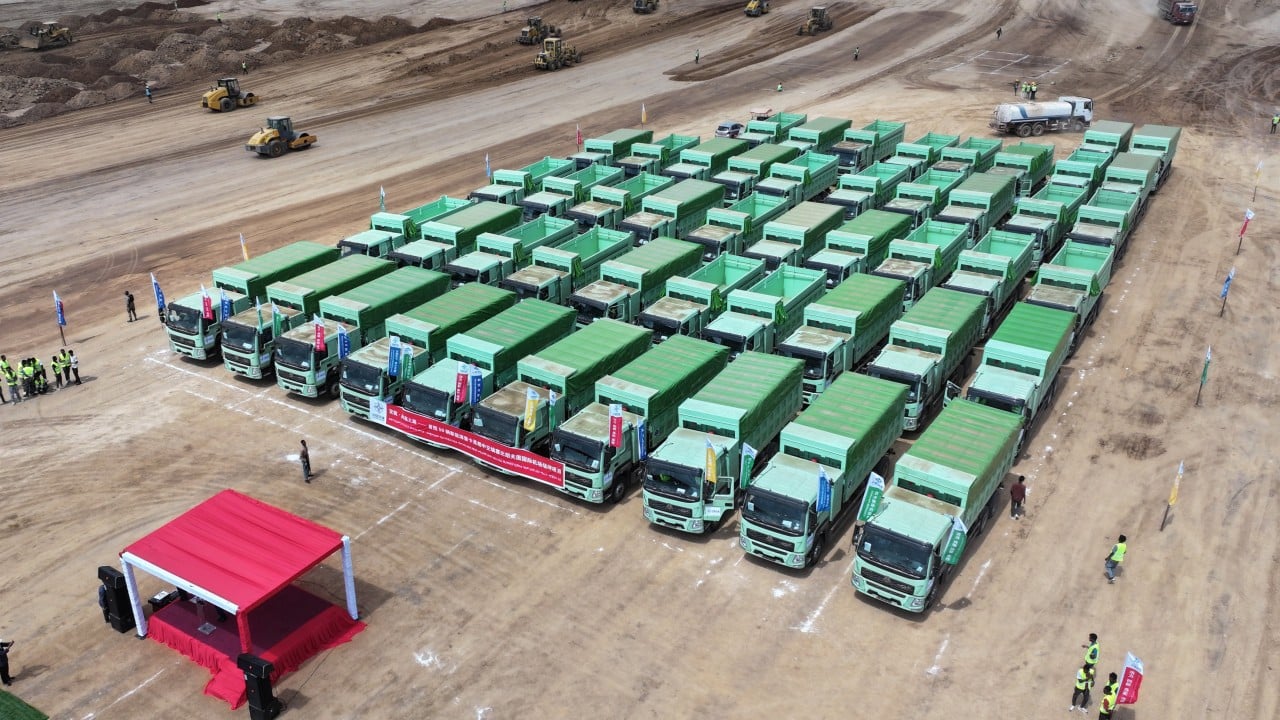
China is implementing a significant policy to accelerate the adoption of electric trucks, aiming for them to represent at least 40% of all new heavy-goods vehicle sales by 2030. This ambitious target is a key component of the nation's broader strategy to decarbonize its extensive transportation sector and achieve net-zero emissions. According to Cai Tuanjie, an official from China’s Ministry of Transport, this policy aims to have a minimum of 1.6 million electric heavy-goods vehicles operating on Chinese roads by the end of the decade. Currently, electric trucks already constitute nearly 30% of new heavy-goods vehicle sales in China, indicating a strong existing momentum in this transition. The push for electrification in the heavy-duty segment is crucial given the sector's substantial contribution to overall carbon emissions.
China's aggressive electrification targets for heavy-duty trucks represent a strategic industrial policy aimed at both environmental goals and technological leadership. By mandating a substantial market share for EVs in this critical sector, China is leveraging its manufacturing capacity to drive down costs and scale production, potentially reshaping global supply chains for commercial vehicles. This approach highlights a systemic effort to integrate climate objectives with economic development, creating a large domestic market that can foster innovation and export potential. The success of this initiative will depend on the robustness of charging infrastructure, grid capacity, and the total cost of ownership for fleet operators, factors that will shape the pace of adoption beyond the stated targets.
AI-generated to prompt reflection — not editorial opinion, not advice, not a statement of fact. How this works.