China Aims to Prevent Blackouts Using Quantum Technology on Power Grid
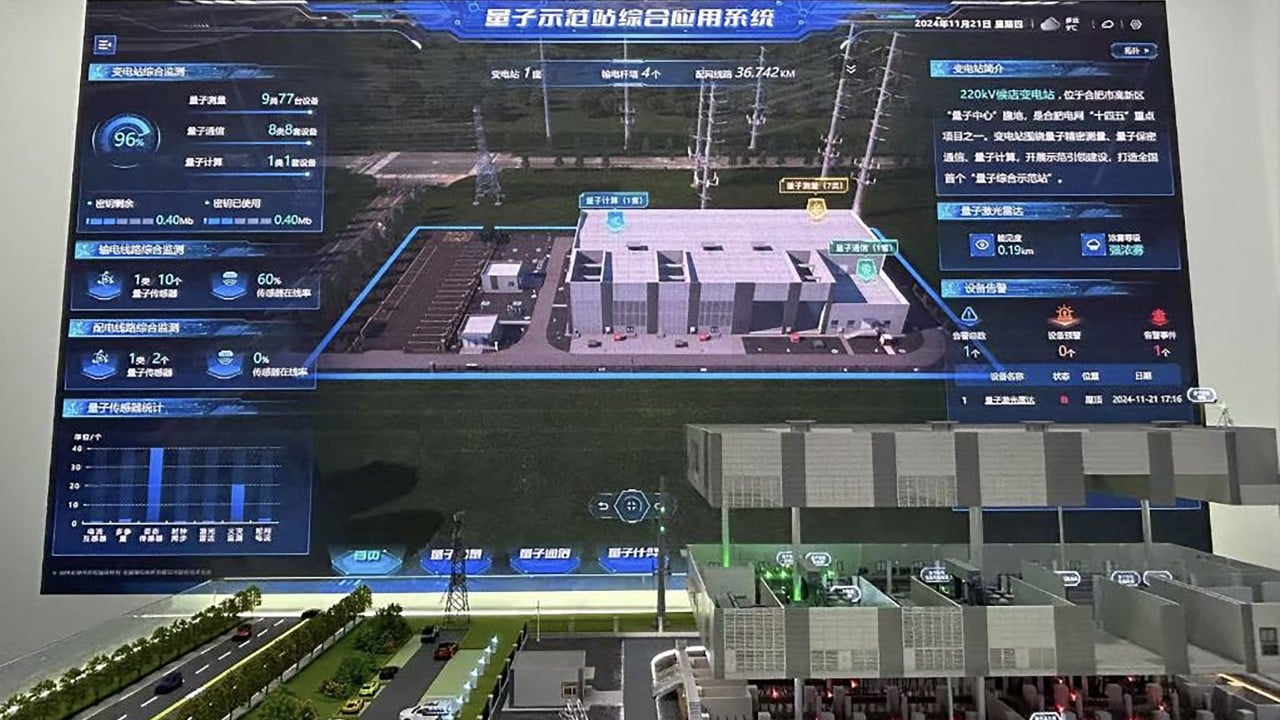
China is planning to deploy quantum technologies across its national power grid to enhance reliability and prevent blackouts. This initiative follows a successful 18-month trial conducted at a substation in Hefei, Anhui province. During the trial, quantum technologies, including precision sensors and advanced computer simulations, were utilized to swiftly identify and diagnose defects and faults within the power system. The findings of this trial were reported by the People's Daily, a state-affiliated publication. The broader application of this technology aims to create a more robust and resilient power infrastructure for the country. Quantum technology leverages the principles of quantum physics to achieve enhanced measurement and computational capabilities. The successful demonstration in Hefei suggests a potential paradigm shift in how critical infrastructure like power grids are managed and maintained.
The integration of quantum technology into China's power grid represents a significant advancement in critical infrastructure management. By leveraging quantum sensors and simulations, China aims to preemptively identify and address potential points of failure, thereby enhancing grid stability and reducing the likelihood of blackouts. This strategic investment in cutting-edge technology underscores a broader trend of nations seeking technological sovereignty and resilience in essential services. The development could set a precedent for other countries, prompting a global race to adopt quantum solutions for grid modernization. Future considerations will involve the scalability, cost-effectiveness, and cybersecurity implications of such advanced systems as they are deployed more widely.
AI-generated to prompt reflection — not editorial opinion, not advice, not a statement of fact. How this works.