China and Indonesia: Forging a Stronger Bilateral Partnership
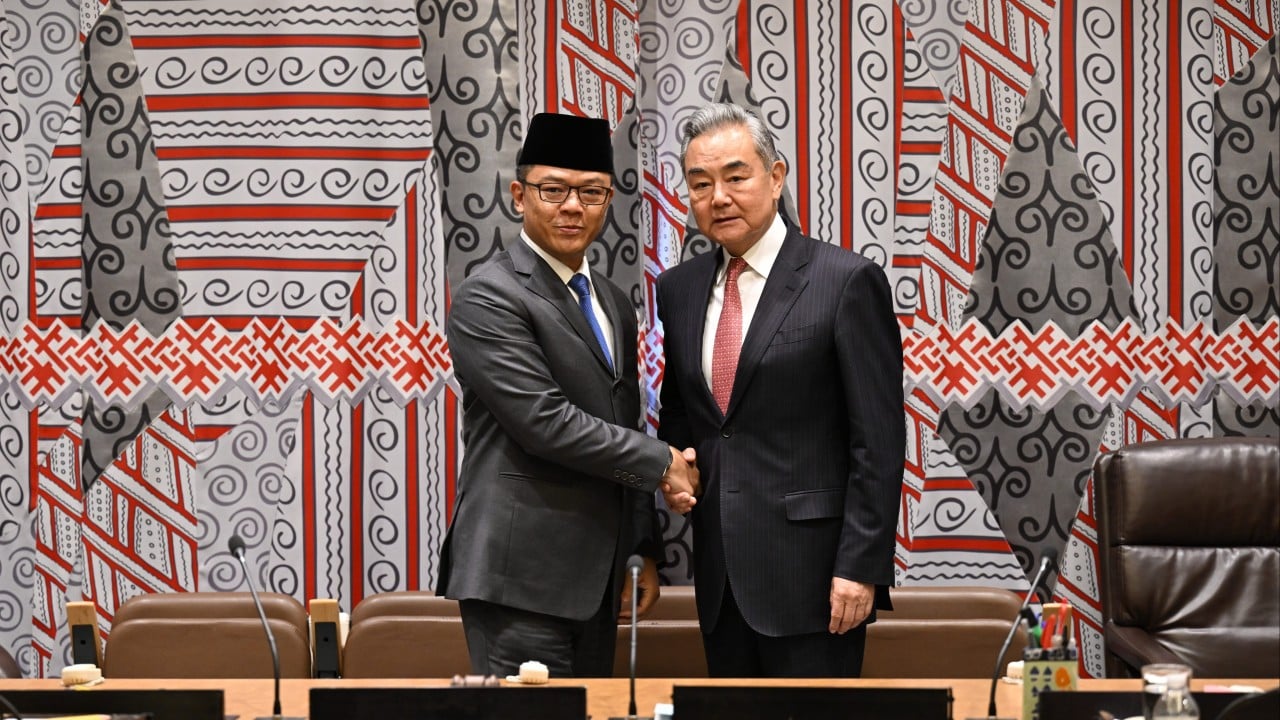
In April 1955, 304 delegates from 29 Asian and African nations gathered in Bandung, Indonesia, for a pivotal conference. This meeting, held during the Cold War, aimed to establish principles for a more intricate global order. Key attendees included representatives from India, China, and the host nation, Indonesia. While India later became a prominent advocate for the non-aligned movement, notably at the 1961 Belgrade Conference, China under Mao Zedong and Indonesia under Sukarno expressed skepticism towards the existing Western-dominated world order. The political landscape shifted in Indonesia when Suharto, perceived as more aligned with the United States, assumed power in 1966.
The historical context of the 1955 Bandung Conference highlights differing approaches to international relations among emerging nations. China and Indonesia, at that time, demonstrated a shared inclination to challenge established Western-centric global structures, contrasting with India's later emphasis on non-alignment. The subsequent political transition in Indonesia, leading to Suharto's rise, introduced a different geopolitical orientation. Examining these historical dynamics offers insights into the evolving strategic considerations and potential divergences that can shape bilateral relationships over time, influencing national interests and foreign policy alignments in response to shifting global power balances.
AI-generated to prompt reflection — not editorial opinion, not advice, not a statement of fact. How this works.