China and Russia Announce Joint Military Drills Amid Taiwan Tensions
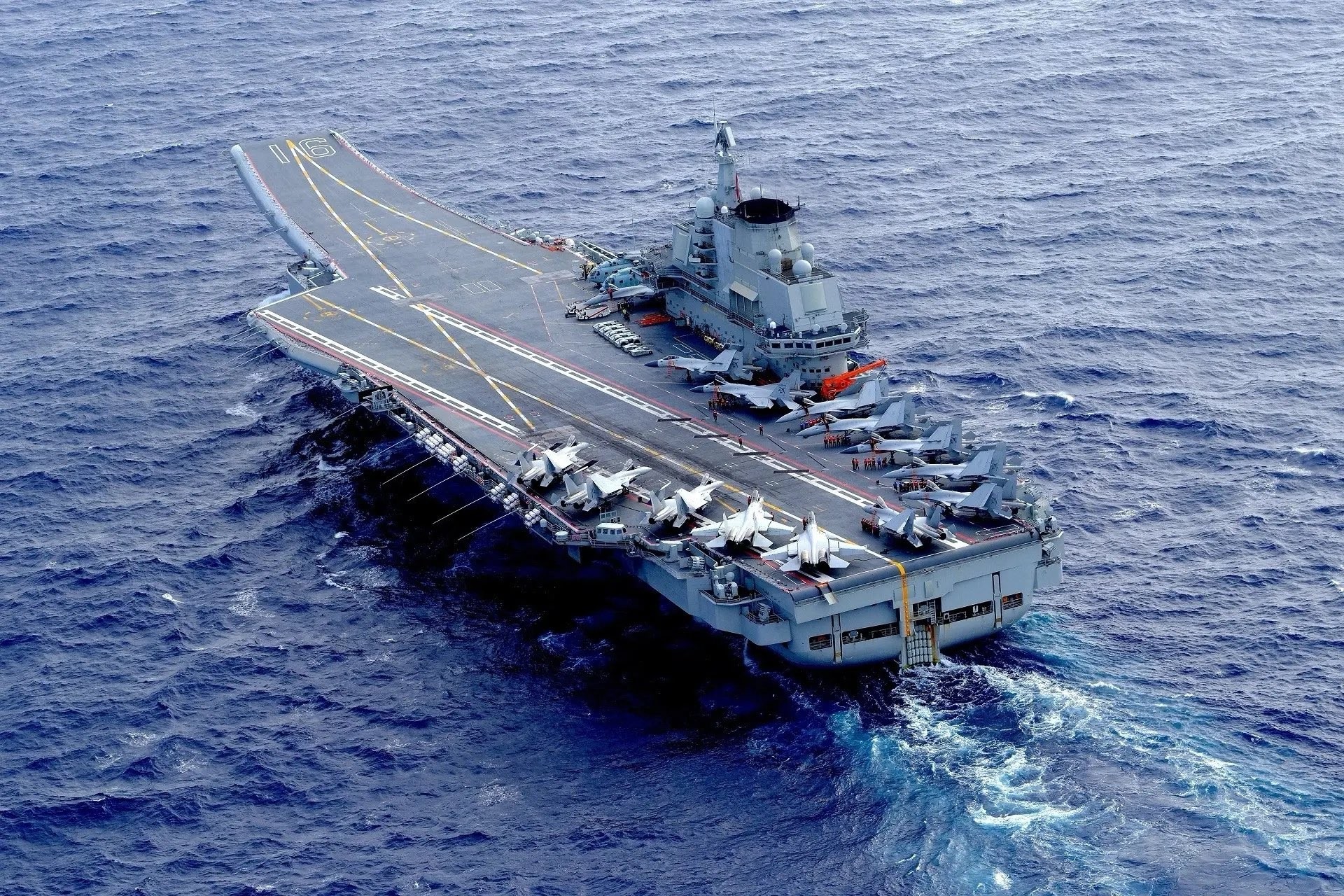
China's Ministry of National Defense announced that the Chinese and Russian navies will conduct joint military exercises in the waters and airspace of eastern China this month. These maneuvers are taking place against a backdrop of heightened tensions between the United States and China over Taiwan, the self-governing island that Beijing claims as its territory. The exercises will be held in the Yellow Sea and near the city of Qingdao, with a portion of the forces proceeding to the Pacific Ocean for joint maritime patrols afterward. The Chinese Ministry of Defense stated that these annual exercises aim to jointly confront security challenges and maintain regional peace and stability. Taiwan, meanwhile, is preparing for potential Chinese invasion, with its armed forces reinstating 'anti-communist' patriotic classes for its military academy graduates after a 25-year hiatus. This move comes in response to increased military risks and infiltration attempts by China. A Taiwanese official noted a recent intensification of Chinese naval activity around the island. The patriotic education aims to ensure graduates clearly understand national security threats and their military mission, distinguishing between friend and foe. These classes were previously phased out in 2002 and rebranded as 'patriotic education.'
The joint military exercises between China and Russia, occurring amidst heightened tensions over Taiwan, signal a strategic alignment aimed at projecting a unified front against perceived Western influence in the Indo-Pacific. From a geopolitical perspective, these drills can be interpreted as a means to deter potential intervention and reinforce regional security narratives favored by Beijing and Moscow. For Taiwan, the resumption of 'anti-communist' patriotic education reflects a heightened state of alert and a strategic communication effort to bolster national resolve. The exercises also highlight the evolving dynamics of international security, where alliances and counter-alliances are increasingly shaped by technological advancements and geopolitical competition, particularly in the context of the burgeoning AI era and its implications for modern warfare and strategic deterrence.
AI-generated to prompt reflection — not editorial opinion, not advice, not a statement of fact. How this works.