China Bans Self-Driving Indicator Lights Due to Safety Concerns
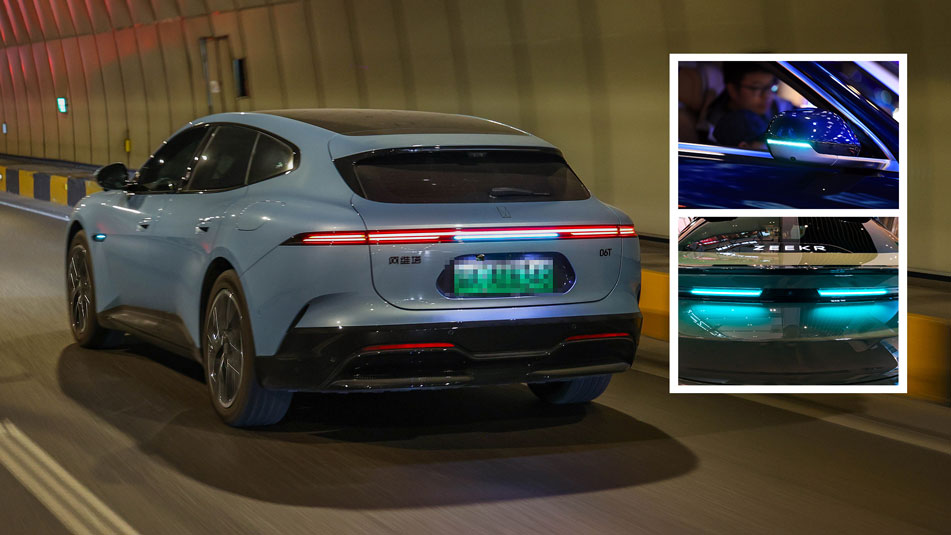
China has officially banned the use of external lights that signal a vehicle is operating in self-driving mode. These indicator lights were first introduced in 2022 and were intended to inform other road users about the vehicle's autonomous capabilities. However, they have become associated with a heightened risk of accidents. Concerns have been raised regarding the glare emitted by these lights, which can impair visibility for other drivers. Additionally, the unpredictable reactions of human drivers to vehicles operating autonomously have contributed to safety issues. The ban aims to mitigate these risks and improve overall road safety.
The decision by Chinese authorities to ban external self-driving indicator lights reflects a pragmatic approach to managing the integration of autonomous vehicle technology into public road networks. While initially conceived as a transparency measure, the lights inadvertently created new safety challenges, including glare and driver confusion, highlighting the complex interplay between technological advancement and human interaction. This move underscores the ongoing need for standardized, globally recognized signaling protocols for autonomous vehicles that prioritize clear communication and minimize potential hazards. Future developments will likely focus on internal driver monitoring systems and more sophisticated vehicle-to-everything (V2X) communication to ensure safe operation without relying on potentially problematic external visual cues.
AI-generated to prompt reflection — not editorial opinion, not advice, not a statement of fact. How this works.
