China Bans Small Aircraft Flights After Mysterious Crash in Beijing's Tallest Building
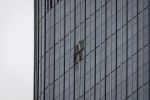
China has imposed a ban on small aircraft flights following a fatal incident involving the 528-meter-tall Citic Tower in Beijing. The government remained notably silent for an extended period after the crash, but reports indicate a high level of nervousness surrounding the event. The exact circumstances and cause of the crash remain unclear, contributing to the official reticence. This measure suggests a significant concern for aviation safety and potential security vulnerabilities. The ban is expected to impact various sectors that rely on small aircraft operations, including tourism, private aviation, and potentially some forms of cargo transport. Authorities are likely conducting a thorough investigation to understand the factors that led to the incident and to prevent future occurrences. The incident highlights the challenges in regulating and monitoring low-altitude airspace, especially in densely populated urban centers like Beijing. Further details regarding the duration and scope of the ban are anticipated as the investigation progresses.
The swift imposition of a nationwide ban on small aircraft flights following an unexplained crash into a prominent skyscraper indicates a proactive, albeit potentially broad, approach to managing perceived risks. This response prioritizes immediate public safety and national security concerns, likely driven by a desire to prevent any recurrence and to regain control over the narrative surrounding the incident. The opacity surrounding the event suggests a complex underlying issue, possibly involving technological failure, human error, or even intentional acts, which authorities are working to fully ascertain. The long-term implications may include stricter regulations for drone and small aircraft operations, potentially impacting innovation and commercial applications in this sector. This situation underscores the evolving challenges in balancing airspace security with the growth of private aviation and unmanned aerial systems in major metropolitan areas.
AI-generated to prompt reflection — not editorial opinion, not advice, not a statement of fact. How this works.