China Boosts Brazilian Soy Imports Amid US Trade Tensions
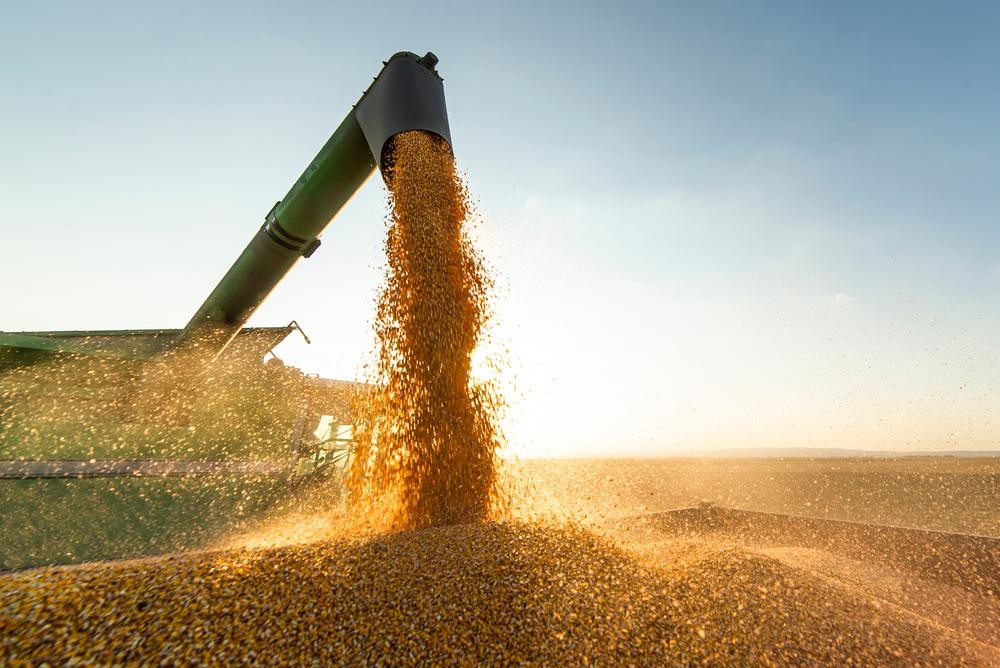
China significantly increased its soybean imports from Brazil in June, while simultaneously reducing purchases from the United States, a trend driven by the ongoing trade dispute between the two global economic powers. Official data from China's General Administration of Customs revealed that the country imported 12.08 million tons of Brazilian soybeans in June, a 13.7% increase compared to the same month last year. In contrast, soybean imports from the U.S. declined by 20.6%, falling from 1.6 million to 1.27 million tons. Overall, China's total soybean imports reached 13.55 million tons in June, marking a record high for the month, largely due to abundant supply from Brazil and the clearance of previously held cargo at Chinese ports. The year-to-date figures show an even more pronounced shift: U.S. soybean imports have dropped by 42.4% to 9.31 million tons, while Brazilian shipments grew by 9.1% to 34.75 million tons. Analysts attribute the decrease in U.S. soybean purchases to the prolonged effects of trade tensions, with Chinese buyers having delayed acquisitions from the U.S. in anticipation of government negotiations. Despite a renewed commitment from China to purchase at least 25 million tons of U.S. soybeans annually until 2028 following a summit between Presidents Trump and Xi Jinping, Brazilian soybeans continue to dominate Chinese imports, benefiting from a record harvest and competitive pricing. While this surge in soybean exports bolsters Brazil's agribusiness, it does not fully offset losses in other sectors facing U.S. tariffs, as Brazil's export basket to China is heavily concentrated in commodities like soybeans, crude oil, iron ore, and meats, which constitute approximately 90% of sales. Consequently, Brazilian companies exporting manufactured goods to the U.S. may struggle to compensate for tariff-related losses by shifting sales to China, where manufactured products face greater competition and higher trade barriers.
The trade dynamics between China, Brazil, and the United States highlight the complex interplay of geopolitical strategy and commodity markets. China's increased reliance on Brazilian soybeans demonstrates a strategic diversification of supply chains, aimed at mitigating risks associated with trade disputes. This shift, while beneficial for Brazil's agricultural sector, underscores the vulnerability of economies heavily dependent on a narrow range of commodity exports. The situation prompts consideration of long-term global trade architectures, particularly in an era where technological advancements and geopolitical realignments are rapidly reshaping international economic dependencies. Future trade policies may need to address not only tariff structures but also the resilience and diversification of national economies against systemic global shocks.
AI-generated to prompt reflection — not editorial opinion, not advice, not a statement of fact. How this works.