China Calls Philippine Education Concerns 'Political Provocation'
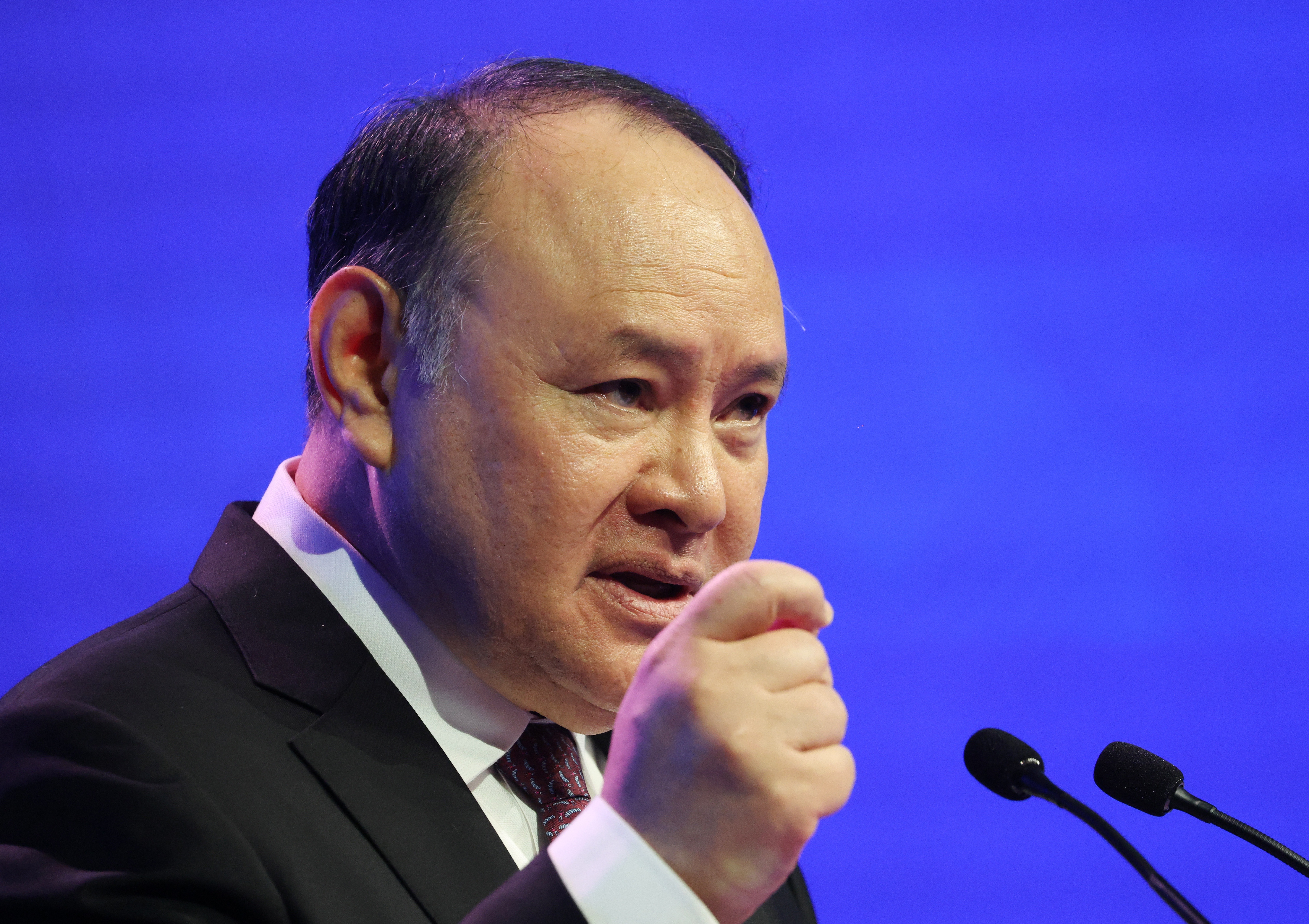
China has accused the Philippines of engaging in an "extremely serious political provocation." This statement comes after the Philippines raised concerns that state-linked Chinese institutions might be influencing its domestic education programs. The accusation was made on Tuesday by Chinese authorities in response to the Southeast Asian nation's expressed worries.
The Philippine government has flagged potential interference in its educational sector by entities connected to China. The specific nature of these concerns and the evidence presented by the Philippines have not been detailed in the initial reports. However, China's swift and strong dismissal suggests a significant diplomatic tension arising from this issue.
This situation highlights the geopolitical sensitivities surrounding educational exchanges and influence operations between nations. China's characterization of the Philippines' concerns as a "political provocation" suggests a defensive stance, potentially aimed at deflecting scrutiny of its soft power initiatives. The Philippines' actions indicate a growing awareness of and concern over foreign influence within its educational system, a critical sector for national development and identity. Future developments may involve increased transparency demands from the Philippines and continued diplomatic maneuvering by China to protect its international image and influence. This dynamic reflects broader global trends of states seeking to safeguard their domestic narratives and educational integrity against perceived external pressures.
AI-generated to prompt reflection — not editorial opinion, not advice, not a statement of fact. How this works.
