China Claims Jurisdiction in Japan's EEZ, Analysts Link to South China Sea Ruling
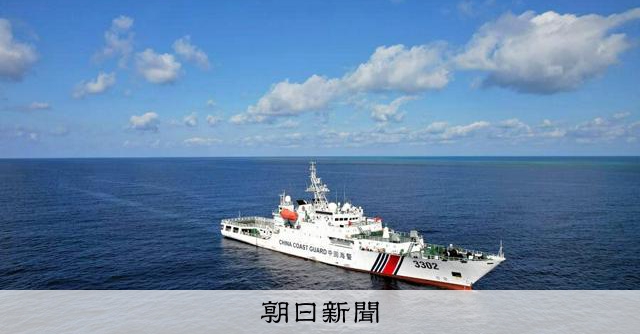
China has asserted claims of jurisdiction within Japan's Exclusive Economic Zone (EEZ), a move that experts suggest is a strategic maneuver following the 2016 South China Sea arbitration ruling. This development indicates a potential escalation of territorial disputes in the region, with China appearing to test international legal boundaries. The assertion of jurisdiction within Japan's EEZ raises concerns about maritime security and the interpretation of international maritime law. Analysts point to this action as a calculated step by China to solidify its regional influence and potentially challenge existing international norms. The timing of this claim, subsequent to a significant international legal decision concerning maritime rights, suggests a deliberate effort to establish precedents. This situation warrants close observation by the international community as it could impact future maritime disputes and negotiations.
China's assertion of jurisdiction within Japan's EEZ, following the South China Sea arbitration, may reflect a strategic approach to testing and potentially reshaping international maritime law interpretations. This action could be driven by an incentive to expand de facto control over resource-rich areas and establish regional norms favorable to its interests. The international community faces the challenge of upholding existing legal frameworks while navigating the complexities of evolving geopolitical dynamics. Future maritime governance will likely depend on how effectively international bodies and affected nations respond to such assertions, balancing the need for stability with the principles of international law.
AI-generated to prompt reflection — not editorial opinion, not advice, not a statement of fact. How this works.