China Conceals Details of Light Aircraft Collision with Beijing Tower
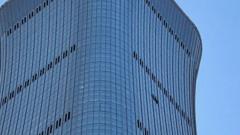
A light aircraft collided with a tower in Beijing, leaving visible damage to the building's facade. However, the Chinese government has since removed all overt signs of the incident. The nature of the aircraft and the circumstances surrounding the collision remain unclear due to the lack of official information released by Chinese authorities. This event raises questions about transparency and information control within China. The extent of the damage to the tower and any potential impact on its occupants or surrounding areas have not been disclosed. The government's swift action to erase evidence suggests a desire to manage public perception and control the narrative. Further details regarding the pilot, the aircraft's origin, and its intended destination are also absent from public records. The incident highlights a pattern of limited information dissemination regarding sensitive events within the country.
The Chinese government's decision to swiftly remove all visible evidence of the light aircraft collision with a Beijing tower, while leaving the damage itself unaddressed, suggests a strong emphasis on controlling public perception and information flow. This action prioritizes maintaining a specific national image over immediate transparency with its citizens and the international community. Such a response may stem from a desire to prevent potential panic, avoid scrutiny of aviation safety protocols, or suppress any narrative that could be perceived as destabilizing. The lack of disclosure raises questions about the underlying causes and potential risks associated with such incidents, prompting consideration of how information management strategies can obscure systemic issues or prevent necessary public discourse and accountability.
AI-generated to prompt reflection — not editorial opinion, not advice, not a statement of fact. How this works.