China Condemns US Tariffs on Goods Over Forced Labor Allegations
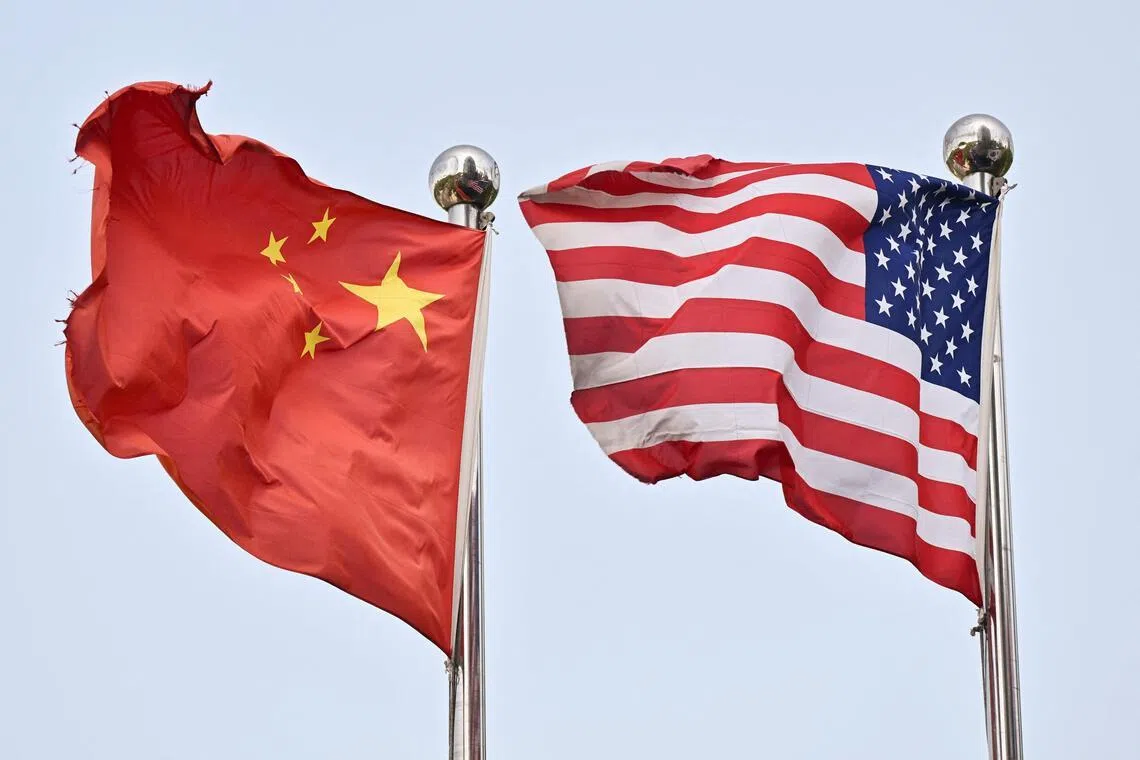
China has strongly opposed new tariffs imposed by the United States, labeling them as unjustified and a form of protectionism. The Chinese government is calling for the immediate scrapping of these trade restrictions. The tariffs are reportedly linked to allegations of forced labor practices, a claim that China disputes. This move by the US is seen by Beijing as an attempt to disrupt normal trade relations and interfere in domestic affairs. China insists that its labor practices are in line with international norms and that the US accusations lack factual basis. The imposition of these tariffs could lead to further trade tensions between the two global economic powers. China has reiterated its commitment to fair trade and multilateralism, urging the US to abandon its unilateral actions. The specific goods targeted by the tariffs and the exact value of trade affected have not yet been fully detailed, but the implications for global supply chains are significant. This development marks another point of friction in the ongoing complex relationship between China and the United States.
The US tariffs, framed around forced labor concerns, represent a significant trade policy tool aimed at influencing the labor practices and supply chains of targeted nations. From an economic perspective, such measures can disrupt established trade flows and potentially increase costs for consumers and businesses in importing countries. China's response, characterizing the tariffs as protectionism, highlights a common geopolitical tension where trade disputes are intertwined with broader strategic competition. The effectiveness of these tariffs in achieving their stated goals, such as eradicating forced labor, is often debated, with critics pointing to potential unintended consequences like retaliatory measures or shifts in sourcing to other regions. Looking ahead, the increasing use of such targeted trade actions suggests a trend toward greater scrutiny of global supply chains and a potential fragmentation of international trade, driven by both ethical considerations and national security interests.
AI-generated to prompt reflection — not editorial opinion, not advice, not a statement of fact. How this works.