China Conducts Submarine Missile Test in Pacific, Alarming Regional Powers
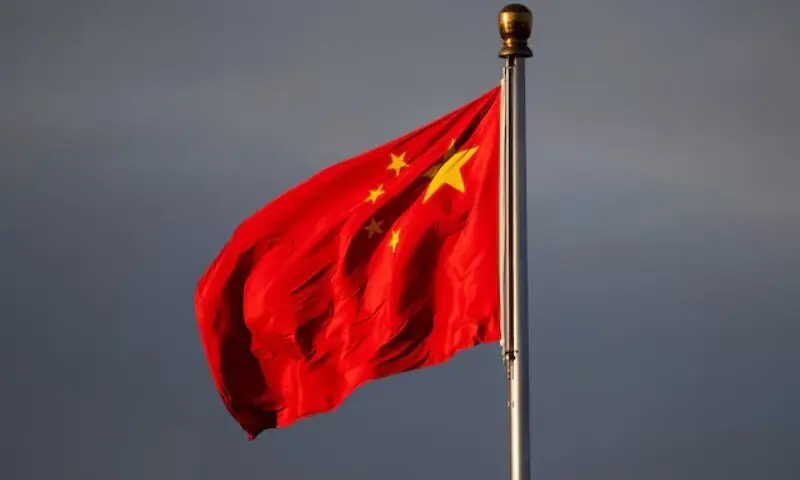
China's People's Liberation Army Navy successfully conducted a strategic missile test launch from a submarine in the Pacific Ocean on Monday, July 6th. The missile, carrying a training simulation warhead, accurately landed in a designated sea area. Chinese navy spokesperson Wang Xuemeng stated this was a routine part of annual military training and that relevant countries were informed in advance. This event marks a significant display of China's military capabilities in the strategically vital South Pacific, a region traditionally influenced by the US, Australia, and New Zealand. The launch has drawn immediate criticism from regional nations, including Japan, which urged China to reconsider. Papua New Guinea's Foreign Minister Justin Tkatchenko confirmed being briefed by the Chinese ambassador, and a New Zealand government source indicated they were also alerted to an upcoming intercontinental ballistic missile test. Australia's Foreign Minister Penny Wong expressed concerns, stating the test risks destabilizing the region. This incident follows a previous long-range missile launch by China near French Polynesia in September 2024, which analysts identified as potentially an advanced Dong Feng-31 missile. Beijing has been increasing its nuclear development and defense spending, with the Pentagon estimating over 500 operational nuclear warheads in May 2023 and projecting over 1,000 by 2030. New Zealand's Defence Force has privately warned that such activities are becoming a persistent feature of the Pacific.
This strategic missile test by China in the Pacific Ocean underscores the escalating geopolitical competition in the Indo-Pacific region. The demonstration of advanced naval and missile capabilities, particularly from a nuclear-capable submarine, serves to project power and influence in an area where traditional security partnerships are being challenged. While China frames the launch as routine training, regional actors perceive it as a destabilizing action that heightens security concerns. The event highlights the inherent tension between a nation's right to conduct military exercises and the broader implications for regional stability and international norms. Future developments will likely involve increased surveillance, diplomatic signaling, and potentially a recalibration of defense postures by countries like Japan, Australia, and New Zealand as they navigate China's growing military assertiveness in the coming decade.
AI-generated to prompt reflection — not editorial opinion, not advice, not a statement of fact. How this works.