China Considers Tolls for Heavy Electric Vehicles Due to Road Damage
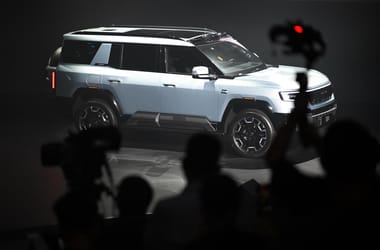
China is contemplating the introduction of additional fees for heavy electric vehicles, particularly those weighing around three tons, due to concerns about road damage. The country's leadership has reportedly urged manufacturers to revert to producing vehicles of more reasonable dimensions. This move comes as the increasing weight of electric cars, often exacerbated by large battery packs, puts significant strain on road infrastructure. The push for heavier vehicles is partly driven by consumer demand for longer ranges and advanced features, which necessitate larger and heavier battery systems. The government's intervention suggests a growing awareness of the environmental and economic costs associated with maintaining roads that are deteriorating faster than anticipated. The proposed tolls aim to offset the increased maintenance expenses and potentially incentivize the production of lighter, more sustainable vehicles in the future. This policy shift reflects a broader challenge in balancing technological advancement with infrastructure sustainability.
The Chinese government's consideration of tolls for heavy electric vehicles highlights a critical tension between rapid technological advancement and the enduring limitations of physical infrastructure. As battery technology drives vehicle weight upwards, the economic and environmental costs of road maintenance are escalating, creating a fiscal challenge for public works. This situation presents a classic externality problem, where the societal cost of road degradation is not fully borne by the manufacturers or consumers of heavier vehicles. Implementing differentiated road usage fees could internalize these costs, aligning market incentives with infrastructure sustainability goals. Looking ahead, this policy may spur innovation in battery density and lightweight materials, fostering a more resource-efficient automotive ecosystem. It also raises questions about the long-term planning required to adapt infrastructure to evolving vehicle technologies.
AI-generated to prompt reflection — not editorial opinion, not advice, not a statement of fact. How this works.