China Declines to Use Reserves to Mitigate Iran Conflict's Oil Price Surge
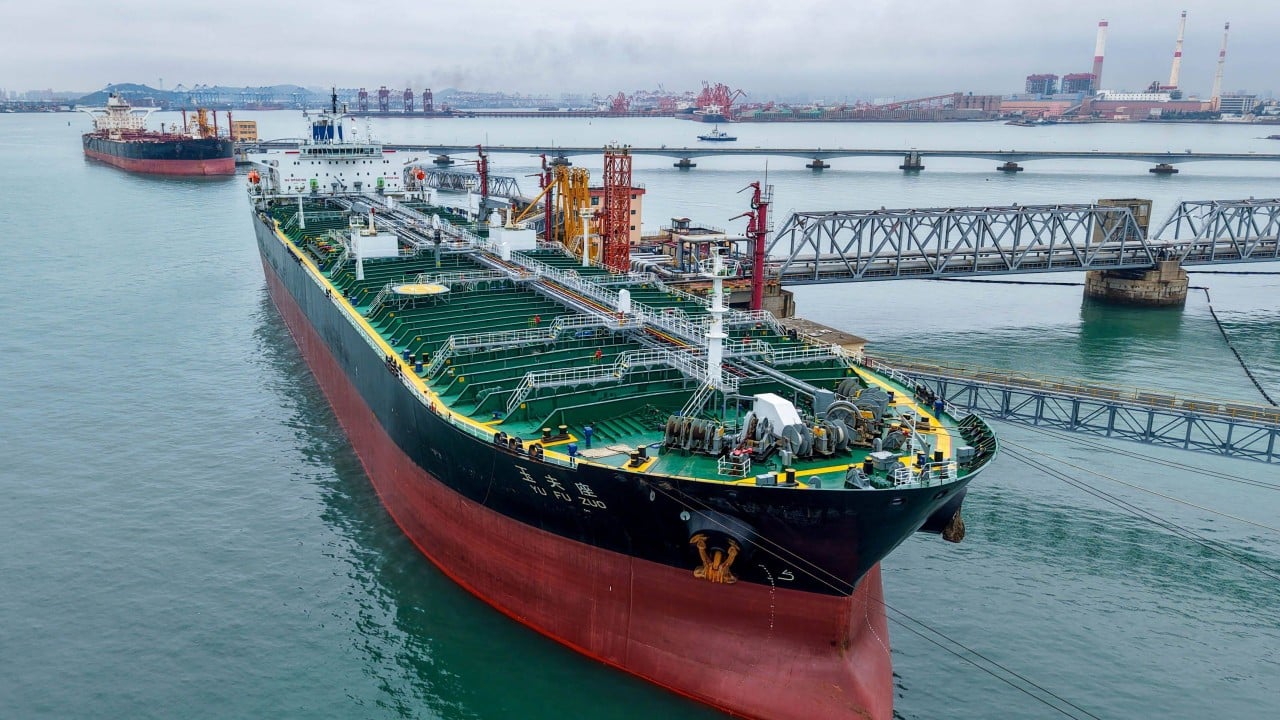
Renewed United States attacks on Iran have led to the closure of the Strait of Hormuz, a critical route for oil transportation, signaling a potential increase in oil prices. The US strategic petroleum reserves are currently at their lowest point in over four decades, complicating efforts to maintain oil prices below $100 per barrel, a level that has largely been achieved during the conflict thus far. Analysts caution that prolonged oil prices exceeding $100 per barrel could exacerbate inflation, reduce consumer spending, and potentially trigger an economic recession. In response to these developing global energy market dynamics, China has indicated it will not deplete its own strategic reserves to offset the impact of potential oil price hikes stemming from the conflict involving Iran.
The geopolitical instability surrounding the Strait of Hormuz presents a classic supply-side shock to global energy markets. China's decision not to deploy its strategic petroleum reserves to buffer price increases reflects a strategic calculation, likely prioritizing long-term energy security and macroeconomic stability over short-term market intervention. This stance underscores the interconnectedness of global energy security, geopolitical risk, and inflationary pressures. As nations navigate the complexities of energy transitions and geopolitical volatility, the efficacy of strategic reserves as a price stabilization tool warrants ongoing examination, particularly in the context of potential prolonged disruptions and evolving global demand patterns.
AI-generated to prompt reflection — not editorial opinion, not advice, not a statement of fact. How this works.