China Demonstrates Nuclear Deterrence with Pacific Missile Launch
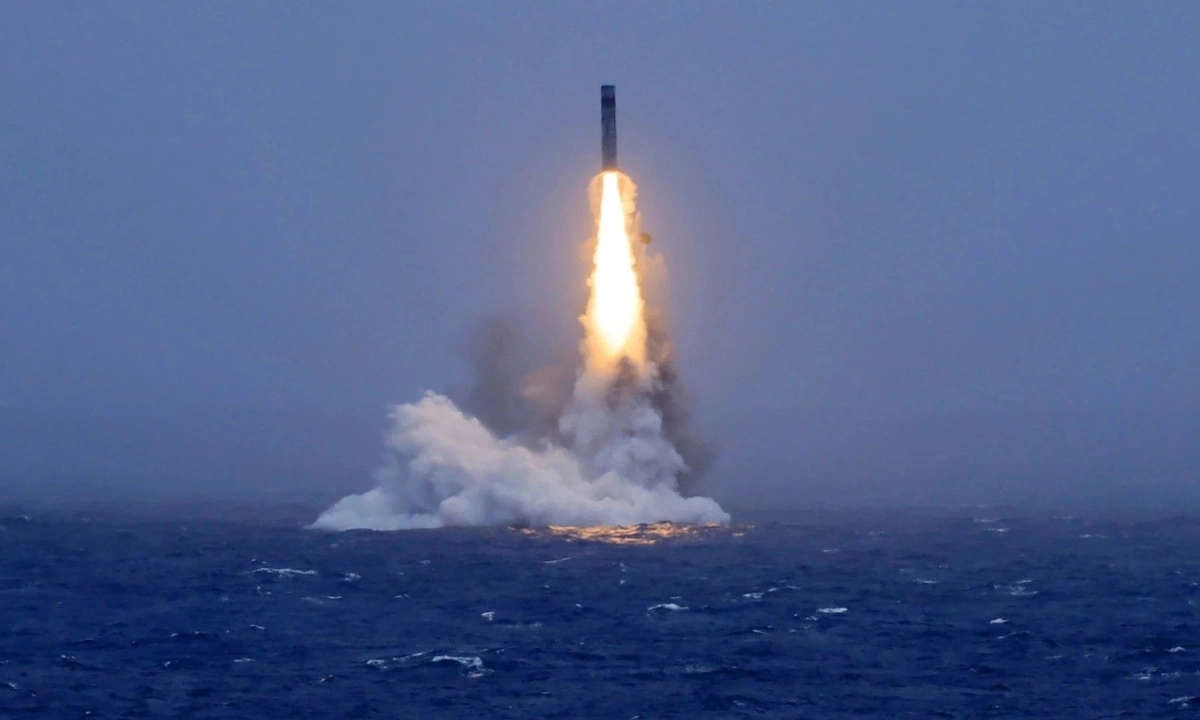
China has launched a strategic missile from a submarine into the Pacific Ocean, a move interpreted as a demonstration of its nuclear triad's deterrent capabilities. This action signals China's intent to showcase its advanced military power and its readiness to project force across a significant maritime theater. The launch is seen as a clear message to potential adversaries regarding China's strategic reach and its commitment to maintaining a robust nuclear deterrent. This development underscores the ongoing military advancements and strategic posturing by major global powers in the Indo-Pacific region. The successful execution of such a launch requires sophisticated technology and extensive logistical support, highlighting China's growing capabilities in this domain. The specific type of missile and its trajectory are crucial indicators of the message China aims to convey regarding its strategic intentions and defensive posture.
This missile launch serves as a tangible demonstration of China's strategic nuclear capabilities, specifically its sea-based deterrent. The deployment from the Pacific suggests a focus on projecting power and signaling reach to regional and global actors. Such actions can be viewed through the lens of deterrence theory, where demonstrating advanced weaponry aims to dissuade potential adversaries. The underlying incentive structure involves maintaining strategic parity and ensuring national security in an increasingly complex geopolitical landscape. Future developments will likely involve observing responses from other nuclear powers and the potential for escalation or de-escalation in regional security dialogues, considering the long-term implications for global stability and arms control frameworks.
AI-generated to prompt reflection — not editorial opinion, not advice, not a statement of fact. How this works.