China Denies US Election Interference Claims as 'Fabrication'
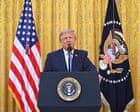
China has vehemently rejected claims made by former US President Donald Trump alleging Chinese interference in American elections, labeling them as "pure fabrication." Trump reiterated his accusations during a recent speech, where he also advocated for the passage of the Save America Act. This proposed legislation is an updated version of the Safeguard American Voter Eligibility (Save) act, which previously passed the House of Representatives but stalled in the Senate. The new bill proposes stringent voter ID requirements and mandates that states regularly submit their voter rolls to the Department of Homeland Security. Furthermore, it introduces criminal liability for election officials who register voters without sufficient proof of citizenship. Democrats have also criticized Trump's statements, characterizing them as "lies and long-debunked conspiracies."
The exchange highlights the persistent tension surrounding election integrity and foreign influence narratives in US politics. The framing of election interference claims, whether by domestic political figures or foreign entities, often serves to mobilize specific voter bases and shape public perception of democratic processes. The proposed Save America Act, with its emphasis on strict voter ID and data sharing with federal agencies, reflects ongoing debates about election security versus voter access. Evaluating such legislation requires considering potential impacts on voter participation, administrative burdens on states, and the balance between federal oversight and state control over electoral systems, particularly in the context of evolving digital threats and the increasing reliance on technology in elections.
AI-generated to prompt reflection — not editorial opinion, not advice, not a statement of fact. How this works.