China Denies US Election Interference Claims by Trump
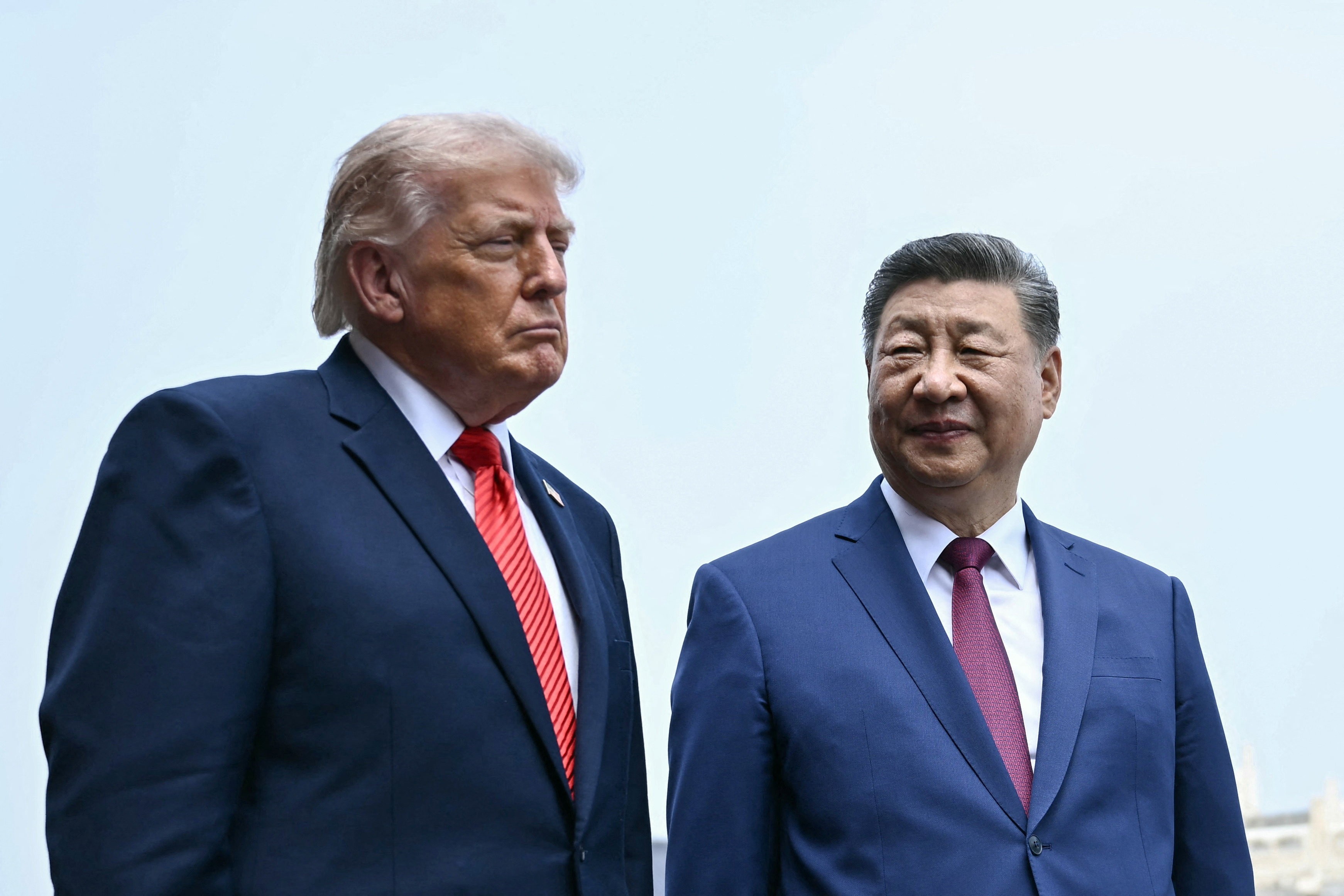
China has vehemently denied accusations made by then-US President Donald Trump that Beijing interfered in the 2020 US elections. The Chinese Ministry of Foreign Affairs stated on Friday, May 17, 2026, that Trump's allegations are baseless and reiterated China's policy of non-interference in the internal affairs of other nations. Beijing asserted it has no interest in meddling in US elections and adheres to the principle of non-intervention. The ministry also criticized new US visa rules, calling them discriminatory and detrimental to bilateral exchanges. China urged the US to withdraw the restrictions promptly and reserved the right to implement reciprocal countermeasures. These statements follow Trump's claim that China orchestrated a massive breach of electoral data, allegedly obtaining information from 220 million American voters. Trump stated that documents released by his administration purportedly proved a Chinese attempt to influence the 2020 presidential race, which was won by Democrat Joe Biden. He also directed FBI Director Kash Patel to investigate and accused US intelligence officials of suppressing evidence of electoral fraud. Trump has consistently questioned the integrity of the US electoral system since his defeat. However, numerous audits, court rulings, and US intelligence assessments have found no evidence of manipulation that could have altered the 2020 election outcome. US election officials have deemed the 2020 election one of the most secure in the nation's history. These renewed allegations emerge shortly before the November legislative elections, which will determine control of Congress and pose significant challenges for Republicans seeking to maintain their majority.
This event highlights the persistent geopolitical tensions surrounding electoral integrity and foreign influence. The Chinese government's firm denial and emphasis on non-interference, coupled with its criticism of US visa policies, suggest a strategic response aimed at deflecting accusations while signaling potential retaliatory measures. The context of upcoming US legislative elections adds a layer of domestic political maneuvering to the international dispute, as allegations of foreign interference can serve to mobilize specific voter bases. From a systemic perspective, the recurring claims of electoral fraud, even when unsubstantiated by official reviews, underscore the fragility of public trust in democratic processes and the challenges of maintaining secure elections in an increasingly interconnected digital age. Future developments may involve further scrutiny of data security protocols and international cooperation frameworks to address concerns about foreign interference without escalating diplomatic friction.
AI-generated to prompt reflection — not editorial opinion, not advice, not a statement of fact. How this works.