China Denies US Election Meddling Claims as 'Fabricated' and 'Slanderous'
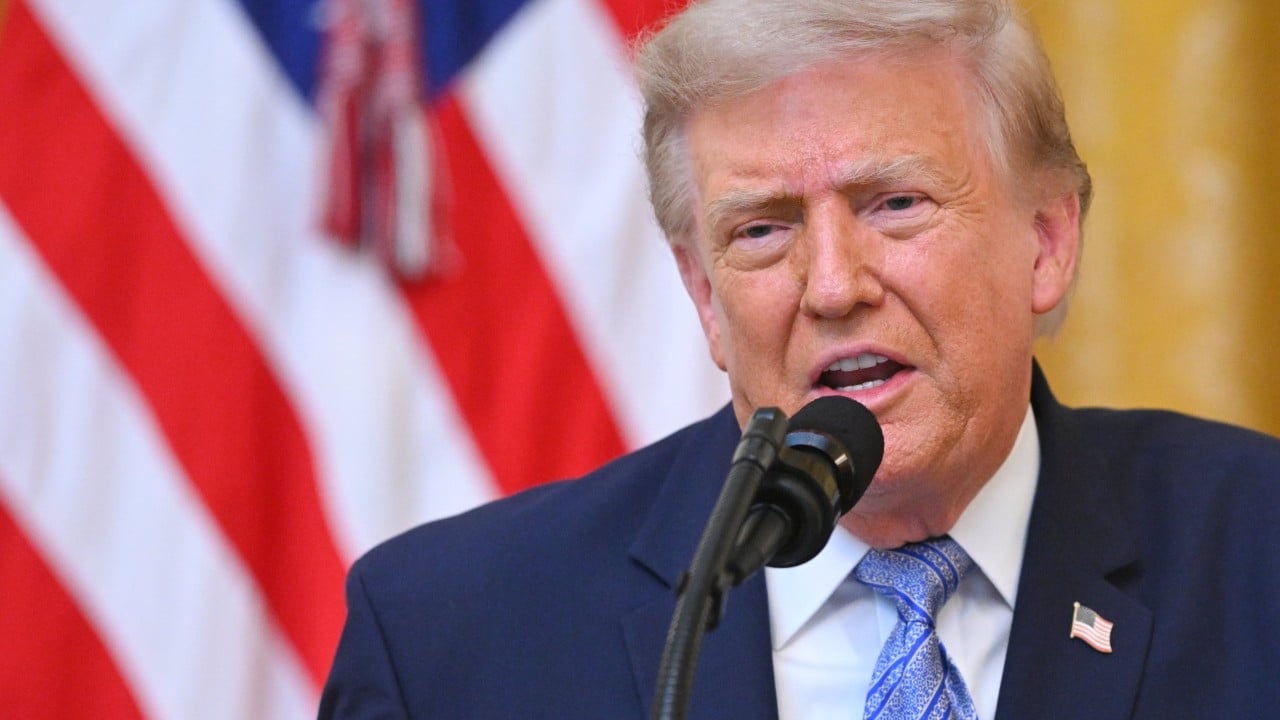
Beijing has strongly refuted President Donald Trump's accusations that China has interfered in US elections. Foreign ministry spokesman Lin Jian stated on Friday that the allegations are "entirely fabricated, maliciously slanderous and have long been proven completely groundless." This response echoes China's consistent reaction to similar claims made by Trump previously. During a national address on Thursday, Trump alleged that Beijing was responsible for the "largest compromise of election data in history." The Chinese government has consistently denied such interference, framing these accusations as politically motivated attempts to undermine China's international standing.
China's firm denial of election meddling allegations aligns with its broader strategy of countering perceived external pressure and maintaining its narrative of non-interference in other nations' internal affairs. The accusations, particularly concerning election data, highlight the ongoing geopolitical tensions and the complex information warfare landscape. From a systems perspective, such claims can be viewed as part of a strategic competition, where information control and narrative shaping are critical tools. The focus on election integrity, while a legitimate concern for democratic nations, also serves as a potential leverage point in international relations. Future developments may involve increased scrutiny of digital infrastructure and cross-border data flows, potentially leading to new regulatory frameworks aimed at bolstering cybersecurity and safeguarding democratic processes against both state and non-state actors.
AI-generated to prompt reflection — not editorial opinion, not advice, not a statement of fact. How this works.