China Develops High-Power Microwave Weapons with Up to 100 GW Output
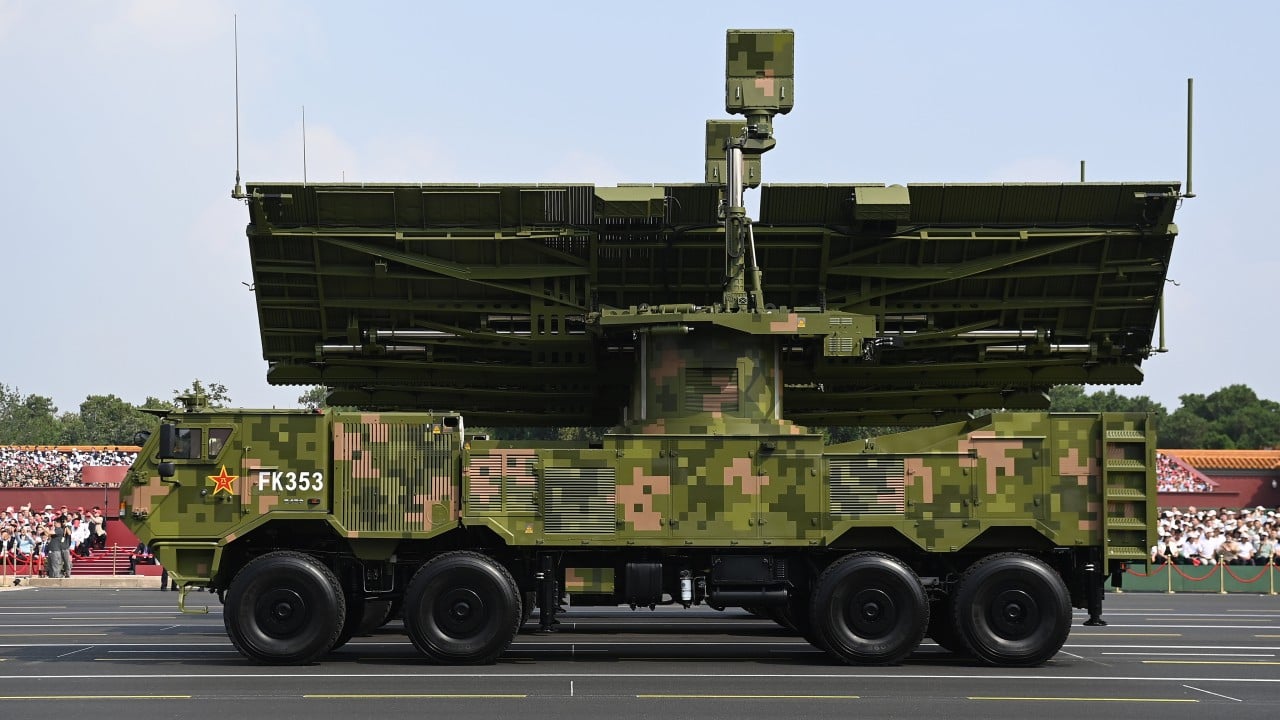
Chinese defense scientists have revealed that the nation's high-power microwave (HPM) weapons can achieve an output of up to 100 gigawatts (GW). This development is considered a significant milestone that could reshape future warfare and spur innovation in civilian research and industry. Researchers from the National University of Defence Technology (NUDT), affiliated with China's military, published their findings this month in the journal High Power Laser and Particle Beams. The paper details advanced pulsed-power devices that have been developed by the Chinese military in recent years. These HPM weapons represent a substantial leap in directed energy technology, potentially offering new capabilities in defense applications. The high output levels suggest a capacity for significant disruption or neutralization of electronic systems. The implications extend beyond military applications, potentially influencing advancements in fields such as energy storage and high-frequency communication. The research highlights China's ongoing investment and progress in advanced weaponry and related technological sectors.
The reported development of high-power microwave weapons by China, capable of 100 GW output, signifies a notable advancement in directed energy capabilities. Such technology, if deployed, could fundamentally alter strategic deterrence and battlefield dynamics by offering non-kinetic means to disable electronic systems. The dual-use potential, with possible civilian applications in research and industry, suggests a strategic approach to R&D investment. From a long-term perspective, this development underscores the accelerating global race in advanced military technologies, driven by the convergence of AI, materials science, and energy systems. Nations are increasingly exploring non-kinetic effects to gain strategic advantages, potentially leading to new arms control challenges and a reevaluation of existing security paradigms in the coming decade.
AI-generated to prompt reflection — not editorial opinion, not advice, not a statement of fact. How this works.