China enacts broad national security rules for overseas investments
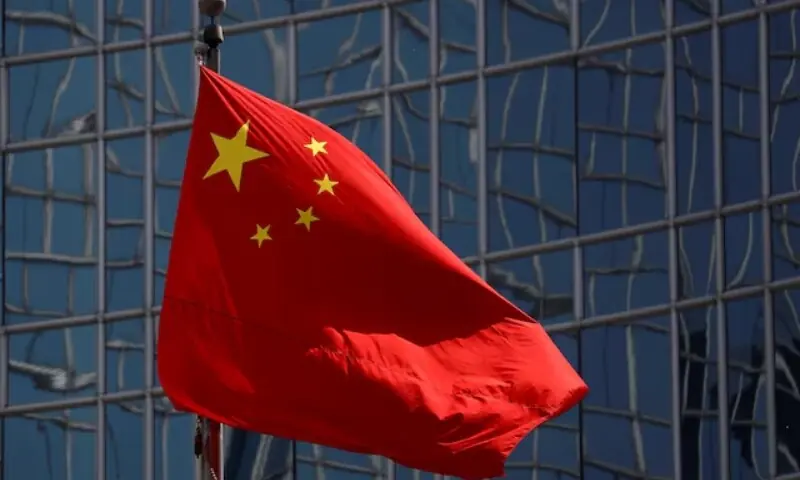
China has implemented new regulations effective Wednesday, broadening its oversight of overseas investments under the umbrella of "national security." These rules, announced on June 1, establish a comprehensive legal basis for the government to manage capital and personnel movements across its borders. Beijing considers sectors like artificial intelligence, computer chips, and green technology to be strategically and economically crucial, and aims to bolster their domestic growth. The State Council, China's cabinet, stated the measures are designed to improve the quality and scope of outward investment. However, concerns exist among investors that these regulations could hinder the Chinese tech sector's access to international markets. The new framework mandates that outbound investments align with the "overall national security concept" and seek to balance domestic and international interests. It also empowers the government to review investments or transfers that might pose a national security risk. This move comes as Beijing has previously shown suspicion towards cross-border transactions, exemplified by the economic planning body's rejection in April of Meta's bid for AI startup Manus. The updated rules extend existing restrictions on cross-border transfers to encompass services, including sending technical experts abroad or conducting overseas training.
China's new national security regulations for outbound investments signal a strategic shift towards greater state control over capital flows, particularly in technology sectors deemed vital. This move appears driven by a desire to protect and advance domestic technological capabilities amid global competition, especially with the United States. The regulations aim to align private sector internationalization with state security objectives, potentially creating friction for Chinese companies seeking global market access and foreign partnerships. The broad definition of "national security" allows for significant government discretion, which could lead to increased uncertainty for investors and impact the agility of China's tech ecosystem. This policy reflects a broader trend of technological decoupling and national industrial policy gaining prominence globally, prompting questions about the future balance between state control and market-driven innovation in the coming decade.
AI-generated to prompt reflection — not editorial opinion, not advice, not a statement of fact. How this works.