China Ends EV Tax Breaks Amid Overcapacity Concerns
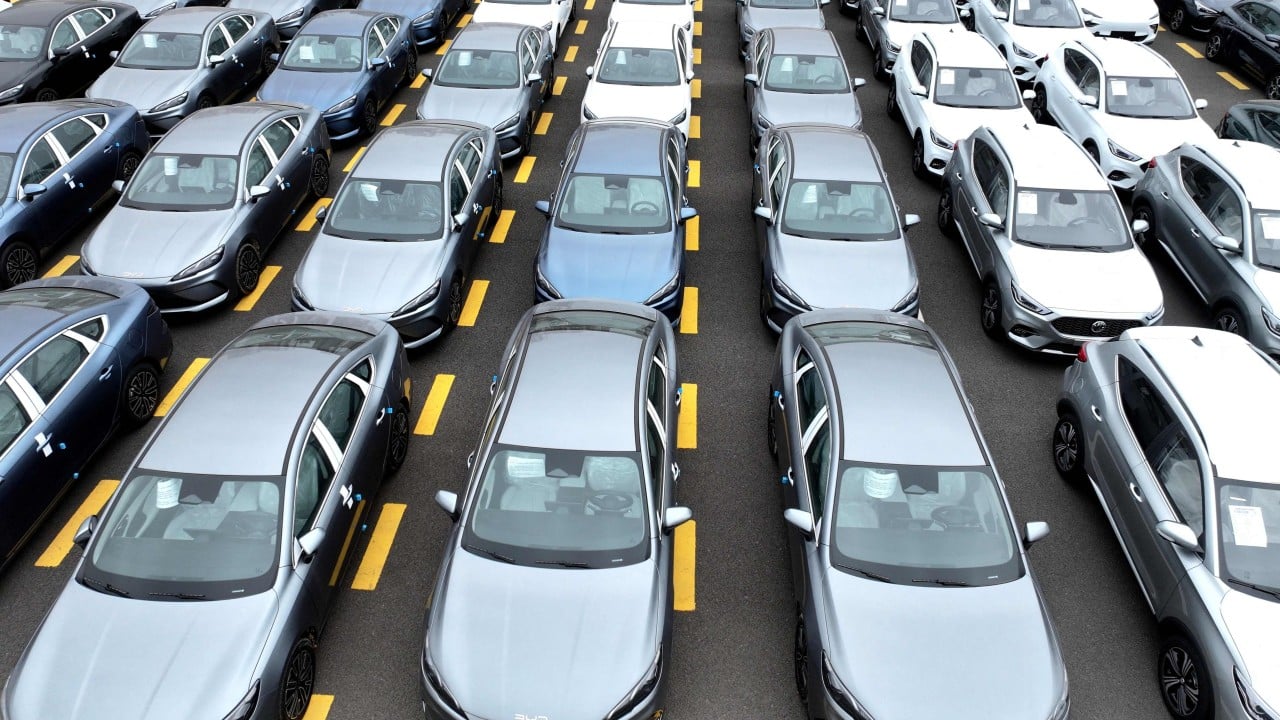
China is phasing out tax exemptions that have significantly supported its electric vehicle (EV) and solar industries. This move is expected to increase production costs for EVs, potentially adding around 1,000 yuan (US$147) per vehicle, according to analyst estimates. While this increase may seem modest on a per-car basis, it could exert additional pressure on manufacturers already operating with very thin profit margins. The decision comes as Beijing intensifies its efforts to manage industrial overcapacity and mitigate fierce price wars within the sector. The consumption tax will now be applied to EVs, marking a shift in the government's support strategy. This policy change could impact the competitiveness of Chinese EV makers, both domestically and internationally, as they navigate a more challenging cost environment. The long-term implications for the industry's growth trajectory and market dynamics are yet to be fully understood.
The Chinese government's decision to end EV tax exemptions signals a strategic pivot from fostering growth through subsidies to managing market maturity and addressing potential overcapacity. This policy adjustment aims to encourage market-driven consolidation and efficiency, potentially weeding out less competitive players and promoting sustainable long-term development. While short-term cost pressures may affect manufacturers, the move could also incentivize innovation and a focus on intrinsic product value rather than relying on artificial cost advantages. Looking ahead, this could lead to a more robust and globally competitive Chinese EV sector, better positioned to navigate future technological shifts and evolving consumer demands in the AI era, though it may also create new challenges for market access and international trade relations.
AI-generated to prompt reflection — not editorial opinion, not advice, not a statement of fact. How this works.