China Explores Bamboo for Great Green Wall Desertification Efforts
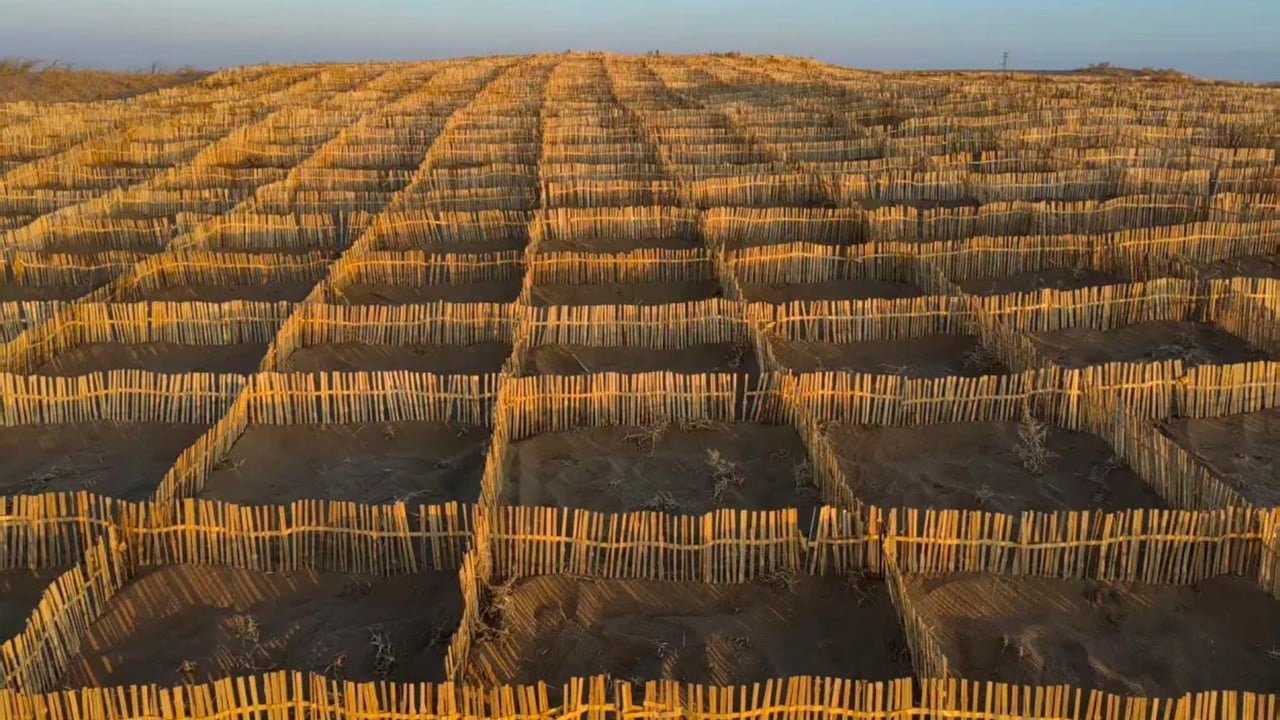
Chinese scientists are now exploring the use of bamboo as a more resilient and sustainable material to combat desertification in the Great Green Wall project. This initiative follows decades of using methods like straw, plants, and plastic, which have faced challenges. Bamboo, known for its rapid growth and sustainability, offers potential solutions to issues such as the short lifespan of current sand-fixing materials, ecological risks, and health concerns associated with existing methods. The Chinese government announced a five-year conservation plan on July 22, which incorporates projects aimed at addressing these desertification challenges. This shift towards bamboo represents a new approach in China's long-standing efforts to reclaim arid lands and prevent further desert expansion. The focus is on leveraging bamboo's natural properties to create more effective and environmentally sound barriers against encroaching deserts.
China's pivot to bamboo for its Great Green Wall initiative highlights a strategic re-evaluation of long-term ecological engineering projects. The shift from conventional materials to a rapidly renewable resource like bamboo suggests an evolving understanding of sustainability and material science within large-scale environmental management. This approach may offer a more cost-effective and ecologically integrated solution compared to methods with shorter lifespans or higher environmental impact. Future iterations of such projects will likely benefit from integrating bio-mimicry and advanced material research to enhance resilience and minimize unintended ecological consequences, ensuring long-term viability in the face of climate change and land degradation.
AI-generated to prompt reflection — not editorial opinion, not advice, not a statement of fact. How this works.