China Exports Cars Using Pulp Ships Amid Shipping Container Shortage
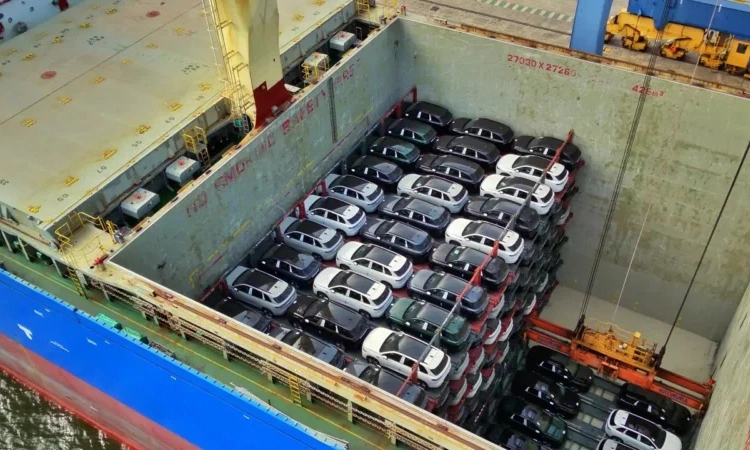
China is resorting to unconventional methods to export automobiles due to a severe shortage of dedicated car transport vessels. Cars are being stacked on flat-rack containers, which are then loaded onto ships typically used for transporting pulp. This workaround highlights the significant logistical challenges faced by Chinese automakers in meeting international demand. The scarcity of specialized car carriers has created a bottleneck, forcing manufacturers to find alternative solutions to get their vehicles to global markets. The situation underscores the broader disruptions within the global shipping industry, which have impacted various sectors beyond automotive manufacturing. The use of pulp ships indicates the urgency and scale of the problem, as companies scramble to maintain export volumes. This innovative, albeit unusual, approach demonstrates the adaptability of Chinese businesses in overcoming supply chain obstacles.
The current automotive export strategy in China, utilizing pulp ships due to a lack of specialized carriers, reflects a dynamic response to global supply chain disruptions. This situation presents a clear market signal: demand for vehicle transport capacity is outstripping supply, incentivizing innovative, albeit temporary, solutions. Over the next decade, as global trade patterns evolve and potentially more resilient logistics networks are developed, such improvisational measures may become less necessary. However, this event also raises questions about long-term investment in specialized shipping infrastructure versus the flexibility of multi-purpose vessels. The underlying issue points to potential vulnerabilities in just-in-time manufacturing and export models when faced with systemic shocks, prompting consideration of more diversified and robust logistics strategies for the future.
AI-generated to prompt reflection — not editorial opinion, not advice, not a statement of fact. How this works.