China Faces Challenge to Break US Tech Dominance, from AI to Robotics
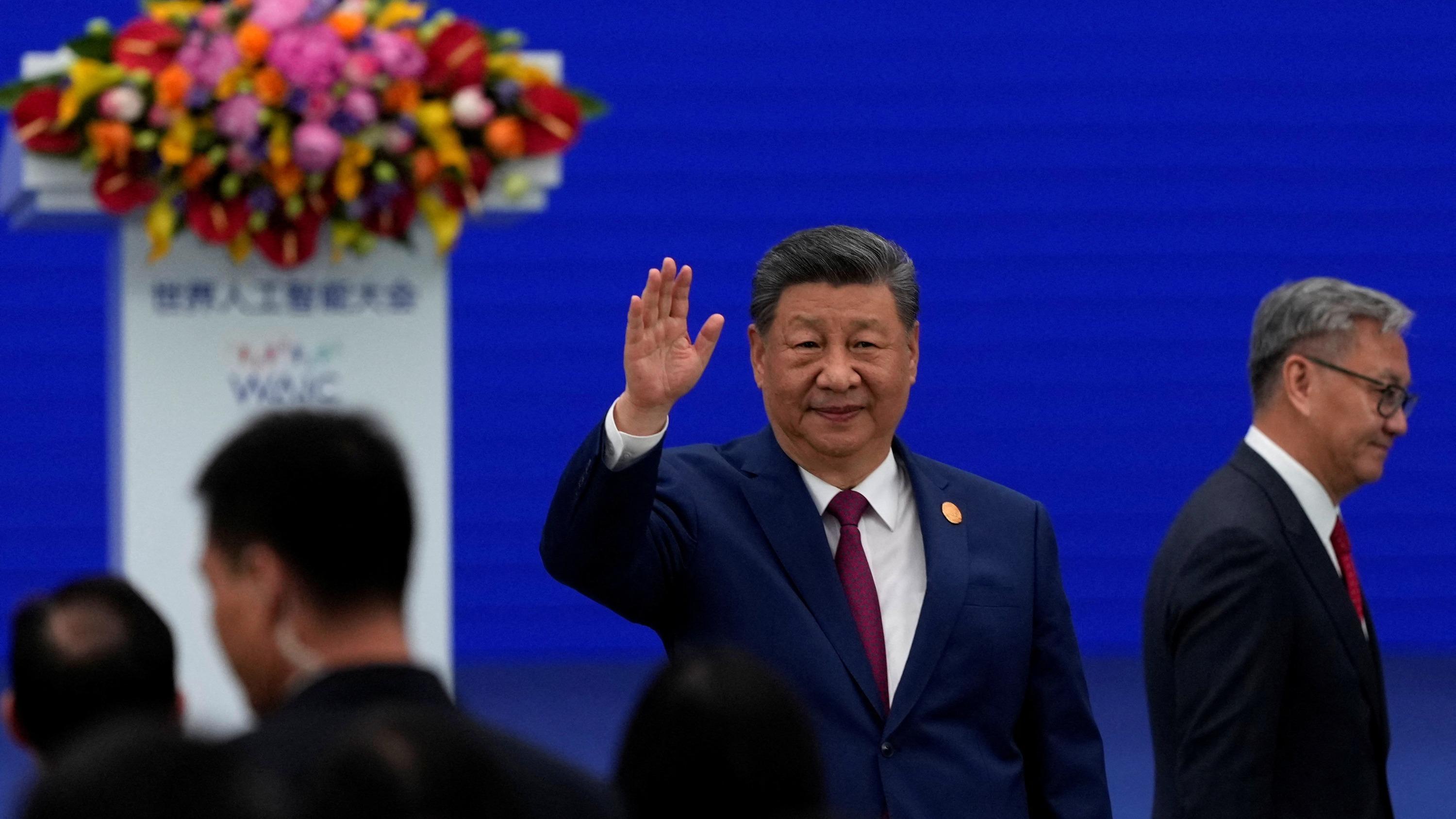
Chinese President Xi Jinping has called for global regulation of Artificial Intelligence, identifying it as a new frontier in the strategic rivalry with the United States. This call, made in Shanghai, highlights China's ambition to challenge American technological leadership, which extends from AI to robotics. The competition between the two global powers is expected to intensify and broaden beyond current areas. China aims to overcome its current position and become a leader in these advanced technological fields. The strategic implications of this technological race are significant, potentially reshaping global power dynamics. The push for regulation by China suggests a desire to influence the development and deployment of AI on a global scale. This move could also be interpreted as an attempt to level the playing field or create new advantages in the ongoing competition with the US. The technological rivalry is seen as a critical aspect of the broader strategic competition between China and the United States.
The strategic competition between the US and China in advanced technologies like AI and robotics represents a critical inflection point. China's call for global AI regulation, while framed as a cooperative measure, could also be viewed through the lens of managing competitive dynamics and potentially shaping international norms to its advantage. This reflects a broader trend where technological development is increasingly intertwined with geopolitical strategy. The inherent tension lies between fostering open innovation and national security interests, a dilemma that will likely define the next decade of technological advancement and international relations. Navigating this complex landscape requires careful consideration of governance structures that balance progress with stability.
AI-generated to prompt reflection — not editorial opinion, not advice, not a statement of fact. How this works.