China Faces New Challenge: AI-Generated Fake Videos Amidst Natural Disasters
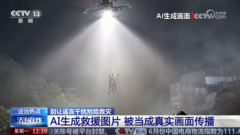
In recent months, China has been grappling with a new form of challenge stemming from the proliferation of fake videos on social media, particularly in the wake of severe weather events. Following a series of intense storms and floods, the digital landscape has become inundated with fabricated visual content. This surge in misinformation is occurring against a backdrop of increasing natural disasters, creating a complex environment for information dissemination and public trust. The AI-generated nature of these videos presents a significant hurdle, as the technology allows for highly convincing yet entirely false depictions of events. This trend poses a considerable threat to public understanding and response during critical times, potentially exacerbating the impact of natural calamities. Authorities are now facing the dual task of managing disaster relief efforts while simultaneously combating a rising tide of sophisticated digital falsehoods. The ease with which these AI-powered fakes can be created and spread highlights a growing vulnerability in China's information ecosystem.
AI-driven deepfake technology presents a novel challenge for China, particularly when amplified by the chaotic information environment surrounding natural disasters. The ease of generating realistic but false visual content can undermine public trust in official communications and genuine reporting during crises. This situation highlights a broader societal vulnerability to sophisticated disinformation campaigns, necessitating robust technological and regulatory frameworks. Looking ahead, the integration of AI in content creation demands proactive strategies to ensure information integrity, balancing the benefits of AI with the imperative to safeguard against its misuse, especially in critical public safety scenarios.
AI-generated to prompt reflection — not editorial opinion, not advice, not a statement of fact. How this works.