China Faces New Challenge: AI-Generated Fake Videos Amidst Natural Disasters
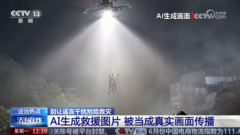
In recent months, China has been grappling with a surge of natural disasters, including severe storms and floods. These events have unfortunately led to a proliferation of fake videos circulating on social media platforms. The spread of these fabricated visuals presents a new and significant challenge for the country as it navigates the aftermath of these calamities. The authenticity of information shared online is becoming increasingly difficult to verify, potentially exacerbating public confusion and distrust during times of crisis. Authorities are likely facing increased pressure to address the dissemination of misinformation, particularly when it is amplified by advanced AI technologies capable of creating highly convincing deepfakes. This situation highlights a growing concern regarding the misuse of artificial intelligence in spreading false narratives, especially during periods of heightened vulnerability due to natural disasters.
AI-generated synthetic media, often referred to as deepfakes, presents a complex challenge for information integrity, particularly when exploited during natural disaster events. The ease with which realistic but fabricated videos can be produced and disseminated online can complicate emergency response efforts, potentially leading to public panic or misdirection. This phenomenon underscores the need for robust digital literacy initiatives and advanced content authentication technologies. As AI capabilities continue to evolve, societies will need to develop sophisticated mechanisms for verifying information and holding platforms accountable for the spread of harmful misinformation, balancing freedom of expression with the imperative to protect public safety and trust.
AI-generated to prompt reflection — not editorial opinion, not advice, not a statement of fact. How this works.