China Holds Frozen Iranian Assets: Where Is the Money and Why Does It Matter?
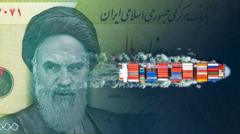
Iran has been seeking to regain access to its frozen funds, estimated to be worth as much as $100 billion. However, these assets remain out of reach due to international sanctions and banking restrictions. China is reportedly holding a significant portion of these frozen Iranian assets. The exact location and control over these funds are crucial for Iran's economy, which has been severely impacted by sanctions. The ability to access this money could provide substantial relief to the Iranian government and its people. The situation highlights the complex geopolitical and financial landscape surrounding Iran's international dealings. The role of China in holding these assets adds another layer of complexity to the ongoing negotiations and the global effort to manage Iran's nuclear program and its economic stability. The question of where these funds are and how they might be accessed is of paramount importance to Iran's economic future and its position on the global stage.
The reported holding of frozen Iranian assets by China introduces a significant variable into the geopolitical and economic dynamics surrounding Iran. This situation presents a complex interplay of financial leverage, international sanctions regimes, and bilateral relations. From an economic perspective, Iran's access to these funds is critical for its domestic stability and ability to engage in international trade, particularly given the extensive impact of sanctions. China's role as a custodian, whether by design or circumstance, could create opportunities for negotiation or, conversely, exacerbate tensions depending on the prevailing geopolitical climate. The long-term implications involve the potential for these frozen assets to influence future international agreements, the stability of global financial systems in managing sovereign wealth under sanctions, and the evolving trade relationships between China and Iran in the context of global power shifts.
AI-generated to prompt reflection — not editorial opinion, not advice, not a statement of fact. How this works.