China Leverages WWII Flying Tigers Squadron for Diplomatic Influence
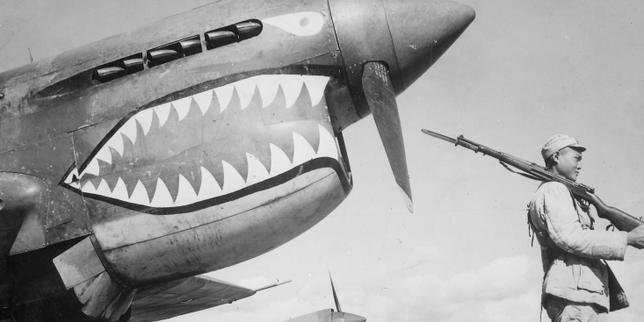
China is strategically utilizing the legacy of the American Flying Tigers squadron, a group that supported the Chinese army against Japanese advances during World War II. Beijing is employing this historical narrative for diplomatic purposes, aiming to shape Washington's current attitude towards China. The Flying Tigers played a crucial role in aerial combat, providing vital support to Chinese forces during a critical period of the war. By highlighting this shared history, China seeks to foster a sense of historical connection and potentially influence contemporary Sino-American relations. This diplomatic maneuver underscores China's efforts to leverage historical events to achieve its foreign policy objectives in the present day.
China's invocation of the Flying Tigers narrative serves as a diplomatic tool to frame contemporary Sino-American relations through a historical lens. This approach aims to evoke shared wartime sacrifice and cooperation, potentially influencing perceptions of current geopolitical dynamics. By emphasizing past alliances, Beijing seeks to shape Washington's strategic calculus, suggesting a historical precedent for partnership. This strategy highlights the complex interplay between historical memory and current foreign policy, where past events are selectively employed to bolster present-day diplomatic objectives. The effectiveness of this tactic will depend on how Washington interprets this historical framing within the context of evolving bilateral relations and global power shifts.
AI-generated to prompt reflection — not editorial opinion, not advice, not a statement of fact. How this works.